
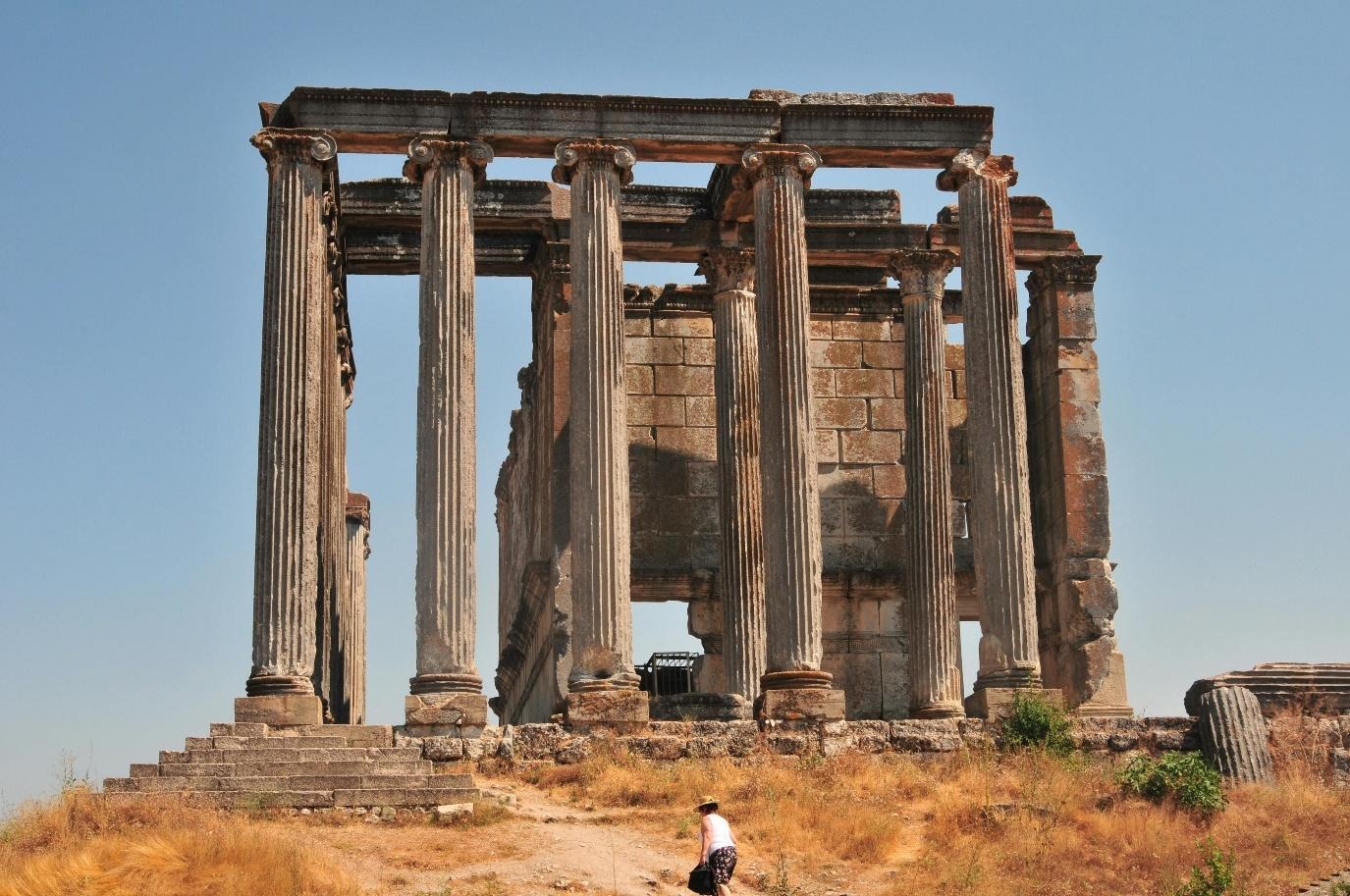
There is a reason why Greek mythology has survived for thousands of years, long after the temples of marble have turned into ruins. These stories were never just about gods throwing thunderbolts or heroes fighting monsters. They were, in many ways, early reflections of human behavior, decision-making, and strategy. If you look closely, the myths of ancient Greece are not distant fantasies—they are surprisingly practical guides to navigating modern life.
Take Zeus, for example. Often portrayed as powerful and unpredictable, he represents authority and control, but also the consequences of impulsive decisions. Many myths show that even the king of the gods faced challenges because of poor judgment. This reminds us of a simple but often overlooked truth: power without discipline leads to instability. In today’s world, whether in leadership, business, or personal life, the ability to pause, evaluate, and act thoughtfully is far more valuable than acting quickly.
Wisdom and strategy
Athena, the goddess of wisdom and strategy, offers a completely different lesson. Unlike Ares, who embodies brute force, Athena wins through intelligence, planning, and foresight. In Homer’s “Odyssey,” she plays a crucial role in guiding Odysseus home—not by fighting battles for him, but by helping him think clearly. Her approach highlights something essential: the smartest path is not always the most aggressive one. In modern terms, this translates into strategic thinking, problem-solving, and the ability to adapt rather than react emotionally.
Odysseus himself is one of the most fascinating examples of strategic thinking in mythology. His journey home after the Trojan War is filled with obstacles, yet he survives not because he is the strongest, but because he is resourceful. The famous story of the Trojan Horse is a perfect illustration—victory achieved not through direct confrontation, but through creativity and psychological insight. Today, this kind of thinking is what separates average results from exceptional ones. Whether in negotiations, career moves, or even everyday decisions, creativity often outperforms brute effort.
Soaring like Icarus
Another powerful lesson comes from the myth of Icarus. Given wings made of feathers and wax, he is warned not to fly too close to the sun. Yet, driven by excitement and overconfidence, he ignores the advice and falls. This story has become a universal symbol of ambition without awareness. It doesn’t suggest that we should avoid taking risks, but rather that we must understand limits and respect the balance between confidence and caution. In a world where opportunities are everywhere, knowing when to stop is just as important as knowing when to act.
Greek mythology also explores the concept of patience and long-term thinking. The tale of Persephone and the changing seasons reflects cycles—growth, loss, and renewal. It subtly teaches that not everything is under our control and that timing plays a crucial role in outcomes. This idea is deeply relevant today, especially in fast-paced environments where immediate results are often expected. Sometimes, the most effective strategy is simply to wait, observe, and act at the right moment.
Evaluate choices
Interestingly, even in modern digital spaces, these ancient principles still apply. People constantly evaluate choices, compare options, and look for the most efficient path forward. Whether someone is analyzing platforms, services, or even browsing instant withdrawal casino sites, the underlying behavior is the same: seeking advantage through information and strategy. It is not the context that has changed, but the tools.
What makes Greek mythology truly timeless is its ability to reflect human nature without filters. The gods were not perfect—they were flawed, emotional, and often contradictory. That is exactly why their stories remain relevant. They mirror our own struggles with ambition, fear, desire, and decision-making.
In the end, the greatest lesson hidden in these ancient stories is not about gods or heroes, but about awareness. Strategy is not always about winning; sometimes it is about understanding the situation clearly, recognizing your strengths, and making choices that align with long-term goals.
From Olympus to today, the world may look completely different, but the core challenges remain the same. And perhaps that is why these myths continue to resonate—because they were never just stories. They were, and still are, guides for those willing to read between the lines.
