Ancient Greece wasn’t just the birthplace of democracy—it also laid the groundwork for the way we think about education. Socrates, Plato, and Aristotle were more than just philosophers; they were teachers, mentors, and system-builders who developed methods of inquiry, reasoning, and ethical reflection that still influence modern classrooms. Their legacy lives on in the structure of today’s schools, the purpose of higher learning, and even the way students engage in discussion and critical thinking.
Whether you’re exploring big ideas in a lecture hall or writing a philosophy paper, the foundations built by these thinkers remain highly relevant. For students navigating complex assignments, a college-friendly essay writing service can help bridge ancient thought with modern expectations—especially when you’re analyzing topics shaped by timeless educational traditions. This article dives into the contributions of Socrates, Plato, and Aristotle, showing how their ideas continue to define what it means to be educated.
Socrates – The Birth of Critical Inquiry
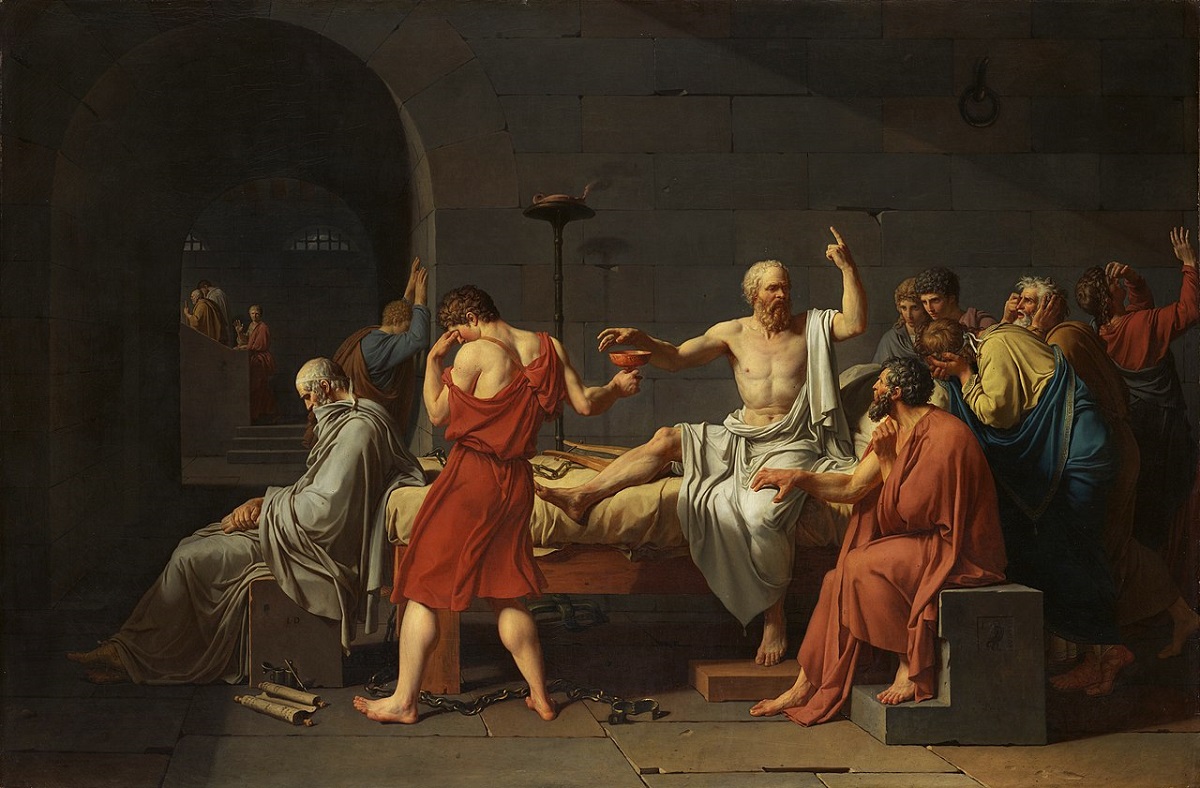
Socrates (470–399 BCE) never wrote anything himself, but his influence comes through the writings of his student, Plato. He is best known for introducing a way of teaching that prioritizes questions over answers.
What Was the Socratic Method?
Socrates believed that truth isn’t something we’re handed—it’s something we discover through dialogue. His teaching method involved:
- Asking probing questions to encourage deeper thinking
- Challenging assumptions rather than giving direct answers
- Encouraging students to reflect and evaluate their own beliefs
This approach is called the Socratic Method and is still used in modern education, especially in:
Law schools to train students in critical thinking and argument analysis by asking them challenging, open-ended questions during class discussions.
Philosophy classes to encourage students to explore abstract ideas by debating definitions and examining beliefs through dialogue.
Debate teams to sharpen reasoning skills, where participants respond to probing questions and defend their viewpoints logically.
Focus on Ethics and Virtue
Socrates believed that education was about becoming a better person. He taught that:
- Knowledge leads to virtue
- A good life is an examined life
- True understanding comes from within
Plato – The Architect of Philosophical Education
Plato (427–347 BCE), a student of Socrates, took his mentor’s ideas and built a complete educational theory around them. He also founded The Academy, the first known higher learning institution in the Western world.
Plato’s Vision of Learning
Plato saw education as a way to elevate the soul and guide society. In The Republic, he described a tiered system of education that:
- Begins with physical training and music for young children
- Moves to mathematics and philosophy for adolescents
- Ends with dialectic reasoning for future leaders
Here’s a simple table of Plato’s Ideal Education Stages:
| Age Range | Focus | Goal |
| 0–6 | Play and music | Character formation |
| 7–18 | Gymnastics and math | Disciplined mind and body |
| 18–30 | Philosophy and sciences | Intellectual development |
| 30+ | Dialectics & leadership | Prepare philosopher-kings |
Theory of Forms and Learning
Plato believed we’re born with knowledge (Forms) and learning is just remembering:
- True knowledge is eternal, not based on the senses
- Education helps “recollect” these truths
Aristotle – The Systematizer of Knowledge
Aristotle (384–322 BCE), Plato’s student, moved away from abstract thinking and focused on observation and categorization. He believed knowledge comes from experience and reason, laying the foundation for science-based education.
The Lyceum and the Scientific Method
Aristotle founded the Lyceum, where students studied a wide range of subjects, and his teachings emphasized:
Collecting data from the natural world. Aristotle believed that learning begins with observation. He encouraged students to study plants, animals, and human behavior directly. By collecting real-world data, students could understand how things work rather than relying on myths or abstract theory. This approach laid the groundwork for empirical science.
Classifying information logically. Once data is collected, it must be organized and categorized. Aristotle developed systems to classify everything from species of animals to types of governments. This logical structuring helps students see patterns, draw comparisons, and create clearer understandings of complex subjects.
Testing ideas through reasoning. Aristotle taught that knowledge becomes powerful when it is supported by logical arguments. Students were encouraged to ask questions, make hypotheses, and use reason to test their ideas. This focus on rational thinking forms the basis of the scientific method and academic writing today.
Many of these ideas resemble today’s scientific method:
- Ask a question
- Observe
- Form a hypothesis
- Test it
- Analyze results
- Draw conclusions
Ethics, Logic, and the Golden Mean
Aristotle believed in balance in education—not just theory but practice. He taught that:
- Virtue lies in the “Golden Mean” (balance between extremes)
- Logic helps us build rational arguments
- Ethics should guide our choices
Enduring Impact on Western Educational Traditions
What makes Socrates, Plato, and Aristotle relevant today? Their ideas continue to shape how we learn, teach, and define success in education.
Modern Classroom Influences
| Thinker | Modern Educational Concept | Where We See It Today |
| Socrates | Critical thinking & discussion | Law school, interviews, debates |
| Plato | Curriculum design & idealism | Liberal arts education |
| Aristotle | Evidence-based reasoning & balance | Science classes, ethics education |
Teacher-Student Relationship
All three philosophers emphasized the value of dialogue and mentorship:
- Socrates challenged his students to think independently
- Plato saw the teacher as a guide to truth
- Aristotle trained students to explore and research
This still influences:
- Student-centered learning
- Academic mentorship programs
- Socratic seminars and project-based learning
Ethics and Education
Their work reminds us that education is not just about knowledge—it’s also about becoming a good person:
- How should we live?
- What kind of leaders should we be?
- What role should schools play in society?
These questions remain essential in educational debates worldwide.
Bottom Line
Socrates, Plato, and Aristotle shaped the core of Western education by introducing critical thinking, structured learning, and ethical reflection. Their ideas are more than historical concepts—they’re practical tools for today’s students striving to understand the world and succeed academically. From classroom debates to essay writing, their influence is everywhere. Whether you’re exploring philosophy or crafting arguments in your assignments, their legacy encourages you to think deeper and learn with purpose. Understanding these thinkers not only enriches your education but also helps you develop as a thoughtful, well-rounded individual ready to apply timeless wisdom in a modern context.
