
Entertainment in Ancient Greece was more than a way to pass time. It shaped civic life, reflected shared values, and often carried religious meaning. From noisy festivals to evenings spent tossing dice, the Greeks built a culture of leisure that influenced centuries to come. Gambling with knucklebones in Ancient Greece resembles, in spirit, the way people now use sweeps coins in online play.
Theater as a Civic Ritual
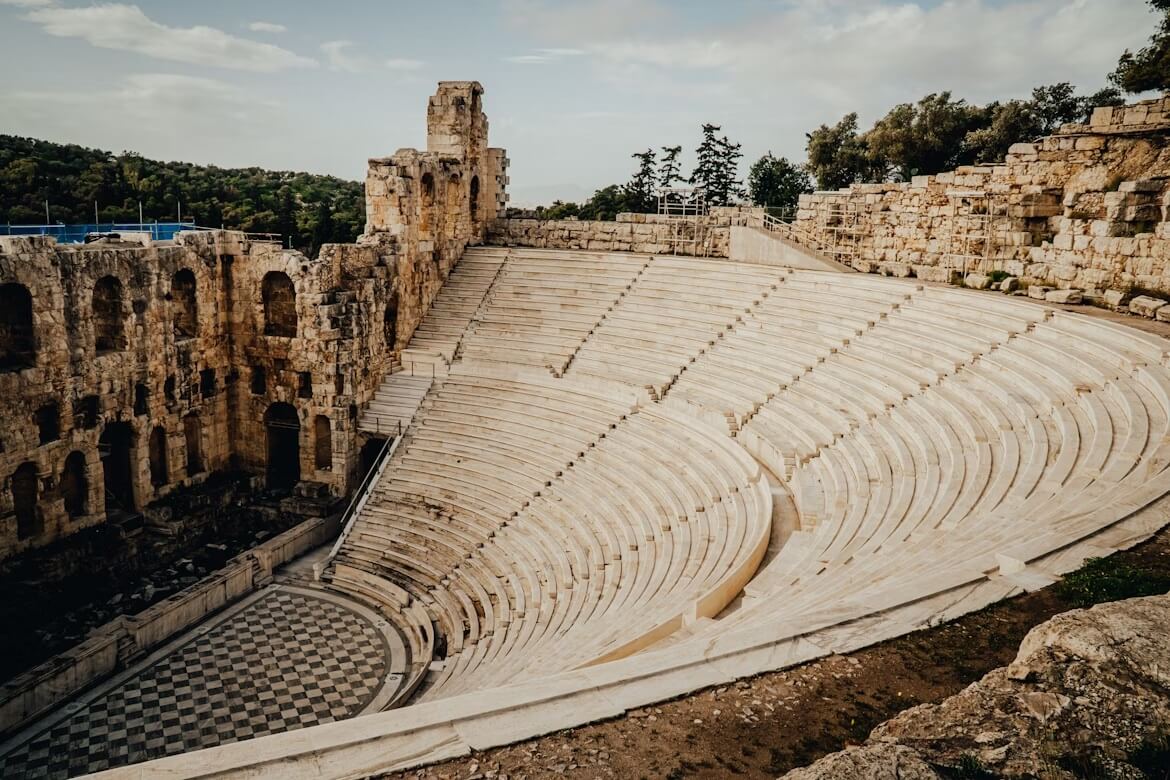
Theater began as part of religious festivals honoring Dionysus. Athenians built open-air theaters into hillsides with seating for thousands, and venues like Epidaurus carried speech well across the rows. Performances were civic events, funded by wealthy citizens.
Three main genres shaped the stage: tragedy, comedy, and satyr plays. Tragedy explored themes such as justice and fate. Comedy mocked politics and daily life. Satyr plays added humor to myth. Masks and costumes let male actors shift roles quickly. Festival audiences turned theater into both art and public dialogue.
Athletic Competitions and Festivals
Sports were another central form of entertainment. They were tied to honor, religion, and community pride. The most famous were the Olympic Games in Olympia, which began in 776 BCE. Athletes competed nude in running, wrestling, discus, javelin, and boxing. Victory brought a wreath of olive branches and lifelong fame at home.
Other festivals also drew crowds:
- The Pythian Games in Delphi featured music and poetry contests alongside athletics.
- The Isthmian Games near Corinth honored Poseidon and included equestrian races and cultural displays.
- The Panathenaic Games in Athens combined athletic contests with musical competitions and a grand procession for Athena.
These gatherings blended sport, ritual, and art. Spectators came not only to watch but to share in the celebration of identity. Victories lifted local pride, while the rituals honored the gods believed to bless the athletes.
Symposia and Social Gatherings
For the elite, the symposium was a key form of leisure. After dinner, guests reclined on couches, drinking wine mixed with water. Music, poetry recitals, philosophical debate, and dancing often followed. A flute player or singer might entertain, and sometimes performances became contests of wit or skill.
Hosts added games to keep the mood lively. One favorite was kottabos, where players flicked wine dregs at a target. Skill mattered, but so did humor and charm. These gatherings gave space for bonding, lively talk, and amusement. They also reinforced social hierarchies and networks of influence.
Games of Chance and Everyday Play
Not all entertainment required festivals or wealthy patrons. Simple games filled daily life. Children played with knucklebones, similar to modern jacks. Adults used the same bones or dice for gambling. Carved boards and literary mentions point to strategy games such as Five Lines and petteia.
Dice throwing was a common pastime. Archaeologists have found dice made of bone, ivory, and stone in Greek sites, while astragaloi also appear in glass and bronze. Gambling with dice and knucklebones was widespread, though attitudes and regulation varied by city and period. These games combined luck and skill, attracting soldiers, travelers, and workers looking for quick amusement.
Key Forms of Popular Entertainment
Leisure in Ancient Greece took many shapes. Some activities were public, others private, but all left a mark on culture. Popular options included:
- Theater festivals with tragedy, comedy, and satyr plays.
- Athletic contests such as running, wrestling, and boxing.
- Symposia with music, games, and lively talk.
- Games of chance with dice or knucklebones.
These forms blended spectacle with everyday play. From the roar of a crowd in a theater to the rattle of dice, entertainment shaped Greek identity and rhythm of life.
