
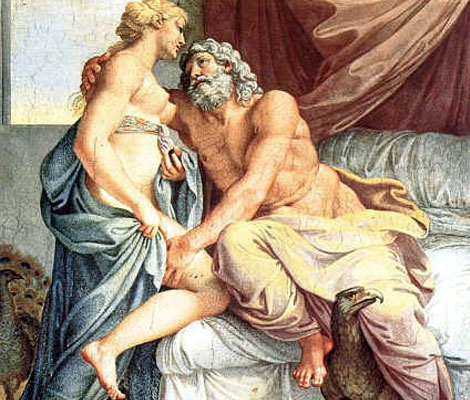
Zeus has been everywhere lately, not only on museum plinths and paperback covers but across blockbuster films, streaming epics, comics and game worlds. The king of the Olympians keeps returning because he solves a modern storytelling problem. Creators need a shorthand for power, spectacle and the precarious balance between order and chaos. Zeus delivers that signal the moment a thunderbolt arcs across the screen.
Contemporary audiences meet Zeus through many lenses. Some encounters are playful, others lean into awe and a few examine the costs of rule when power is absolute. Even in interactive spaces, designers treat the character like a toolkit for mood. Players scan a skyline, see a charged cloud layer and know the next scene will test nerve and judgment. That pattern repeats from open world adventures to puzzle platforms where lightning cues speed and decisive action. For those tracing how classic figures show up in entertainment, review hubs that map myth to gameplay mechanics, such as an age of the gods slot review, help decode the visual language creators use to signal theme and tension.
Why Zeus still works as a symbol
Three traits make Zeus durable in a crowded culture cycle.
- Authority without exposition. Leaders in fiction often need long introductions. A thunder motif, an eagle crest or a laurel crown tells the story in seconds.
- Weather as emotion. Storms externalize conflict. When clouds roll in, characters brace and audiences lean forward.
- Family as politics. Zeus stories are not only about lightning, they are about siblings, heirs and rivalries. Modern dramas borrow that structure to show how personal ties shape public outcomes.
Because these cues are universal, Zeus travels easily between genres. A comedy might lampoon divine oversight, an action saga might frame storms as training grounds and a strategy game might cast weather as a resource to manage. The same icon adapts to new jobs without losing identity.
The new visual grammar of thunder
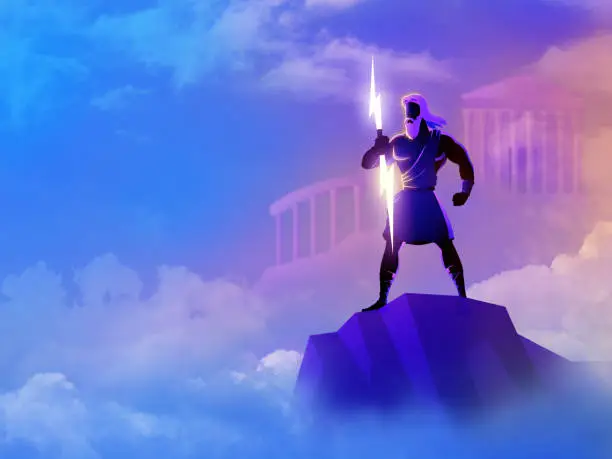
Artists now treat lightning less like a special effect and more like punctuation. It ends a sentence, starts a new thought or underscores a decision. You see this in three common moves.
- The sky cut. A calm establishing shot, a quick flash, then a hard cut to the challenge. The bolt is a narrative hinge.
- The silhouette test. A character stands against a lit sky, holds still as the strike lands, then moves with renewed intent. The moment marks resolve.
- The ground echo. Lightning hits off screen, vibrations run through stone or water, then the camera finds a character who must react. The storm becomes a partner rather than a backdrop.
Interactive media adds feedback loops. Haptics buzz when clouds form, sound design narrows to a high crackle and UI elements pulse like charged air. Players associate that sensory bundle with caution and opportunity which makes storm cues useful for onboarding without heavy tutorial text.
Zeus as a lens on power and restraint
The modern take on Zeus cares less about punishment and more about restraint. Viewers have watched enough stories about unchecked force. They want to see leaders choose when not to act. Writers answer with arcs where thunder builds while characters navigate duty, family and the limits of command.
This shows up in:
- Mentor roles where a Zeus figure trains younger heroes to recognize stakes before they reach for power
- Council scenes that weigh storm against diplomacy so victory feels earned rather than granted
- Consequences where misuse of force scars the world and pushes characters to rebuild rather than double down
Games and series mirror this with cooldowns and resource systems that encourage timing over spam. Storm abilities hit hard, then ask the player to reposition, protect allies or solve a puzzle while energy returns. The metaphor is simple. Leadership is not endless casting, it is pacing.
How creators localize an ancient icon
Modern teams recalibrate Zeus to match regional taste and platform tone. That keeps the character fresh and avoids flattening him into a single trope.
- Color palettes shift from bronze and marble to neon and dusk for cyber myth settings
- Symbols like the aegis become wearable tech, a nod to protection in a near future city
- Companions such as eagles turn into drones or camera rigs that extend the character’s reach
- Language avoids archaic speech, favoring plain words that highlight decision making instead of distance
These choices let a series or game carry mythic weight without feeling museum bound. The result is a Zeus that can walk into a café scene, not only a summit of clouds.
What audiences respond to now
Viewers and players reward clarity and texture. They want a reason to care about the storm beyond spectacle. The strongest portrayals deliver three things.
- A grounded stake. Protect a specific city block, a single sibling or a fragile truce. The smaller the stake, the bigger the feeling.
- A cost to power. Fatigue, political fallout or a broken promise keep victory human.
- A visible learning curve. Characters who calibrate force to fit the moment feel wiser by the end.
These beats resonate across mediums. A two hour film can hit them, a season can expand them and a campaign can let players inhabit them.
Reading the thunder ahead
Zeus will continue to anchor modern myth because he offers a clean line between spectacle and meaning. Expect more stories that pair storm imagery with themes of stewardship, more soundscapes that treat thunder like a moral meter and more mechanics that turn restraint into strength. When creators frame power as a responsibility rather than a reflex, the lightning lands harder and the quiet after feels earned.
The character is not going anywhere. He will keep pointing to the moment a leader takes a breath, looks at the horizon, then acts with care. In crowded timelines where everything shouts at once, that is a symbol worth keeping.
