Greek mythology has fascinated the world for millennia with its divine pantheon, myths, and epics shaping Western storytelling. This is evident with its adaptation in games like the Rise of Olympus slot as well as movies. The gods of Olympus, and those who came before them in the primordial age, were worshipped, feared, and immortalized through poetry, theatre, and oral traditions.
Although hundreds of deities existed, a few dominate the mythological record. These handfuls appear more often than others in tales of love, war, betrayal, and cosmic order.
The Storytelling & Pantheon Tradition
Greek mythology was not a unified system but a collection of overlapping traditions, varying from one region to another. The gods were invoked in epic poetry (Homer’s Iliad and Odyssey), didactic works (Hesiod’s Theogony), and tragedies (Sophocles, Aeschylus, and Euripides). In such works, certain gods consistently take center stage because they embody universal forces of love, war, wisdom, and power.
Others appear less often, being associated with local cults or specific natural phenomena. Here are some of the most mentioned names.
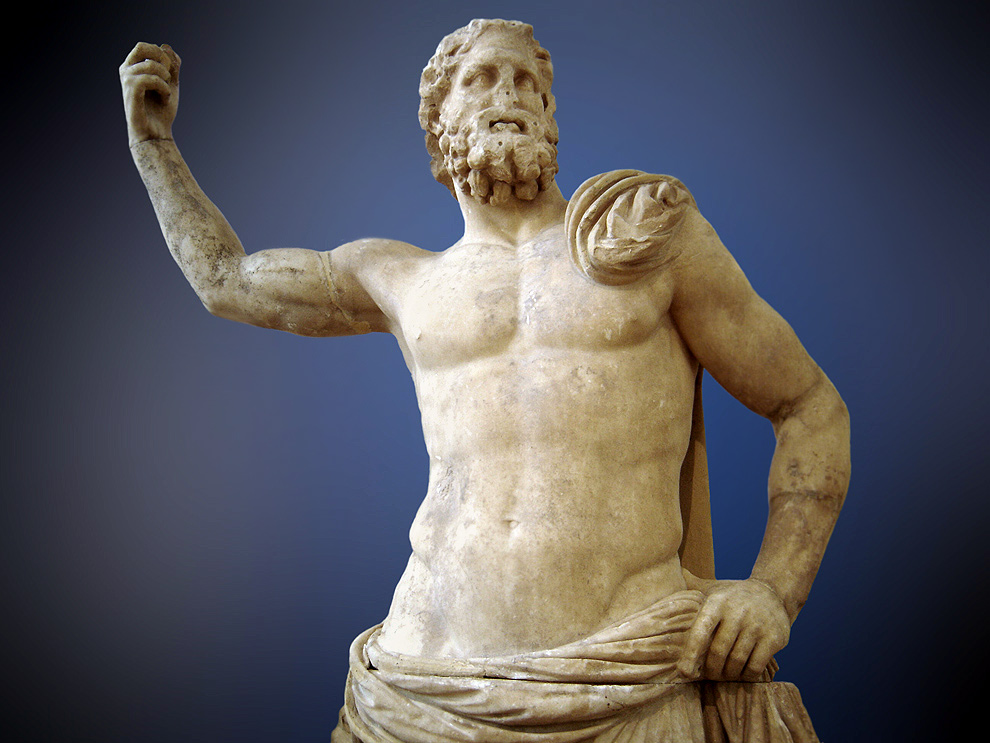
Zeus
No god is mentioned more often in Greek mythology than Zeus. He is the king of the Olympians, also known as the sky father. His presence is nearly unavoidable in myths as the represented authority, justice, and cosmic order.
Zeus distributed domains to the gods after defeating the Titans, establishing the order of the universe. Many mouths show him as an enforcer of laws, punishing oath-breakers or hubristic mortals. Through countless unions with mortals and deities, he fathered Heracles, Perseus, Helen of Troy, etc.
In the Iliad, Zeus usually weighs the fates of warriors and decides the outcome of battles. In short, he appears in nearly every mythological cycle, from the Titanomachy (war against the Titans) to local hero legends. He is arguably the most frequently mentioned god in Greek mythology.
Hera
If Zeus is central, Hera, his wife and sister, is not far behind. She is often mentioned because her role intertwines with Zeus’s many affairs and their offspring. Despite being the goddess of marriage, Hera is most usually depicted in stories as punishing Zeus’s lovers and illegitimate children.
Hera’s vendetta against Zeus’s son, Heracles, drives much of his mythology struggle. In Homer’s Iliad, she takes sides against the Trojans, often clashing with Zeus himself. Her frequent mentions originate from her role as a divine queen and a foil to Zeus’s unchecked desires.
Athena
Among the Olympians, Athena is one of the most frequently referenced deities, especially in myths that portray intelligence, strategy, and craftsmanship. She aids Odysseus throughout the Odyssey and assists Perseus in slaying Medusa. Athena supports the Greeks, influencing battles and guiding warriors like Achilles and Diomedes.
Myths about her contest with Poseidon over Athena show her role as a civic goddess. Her frequent appearances are linked to her symbolic role as a mediator between brute force and wisdom. Thus, making her an essential addition to hero myths.
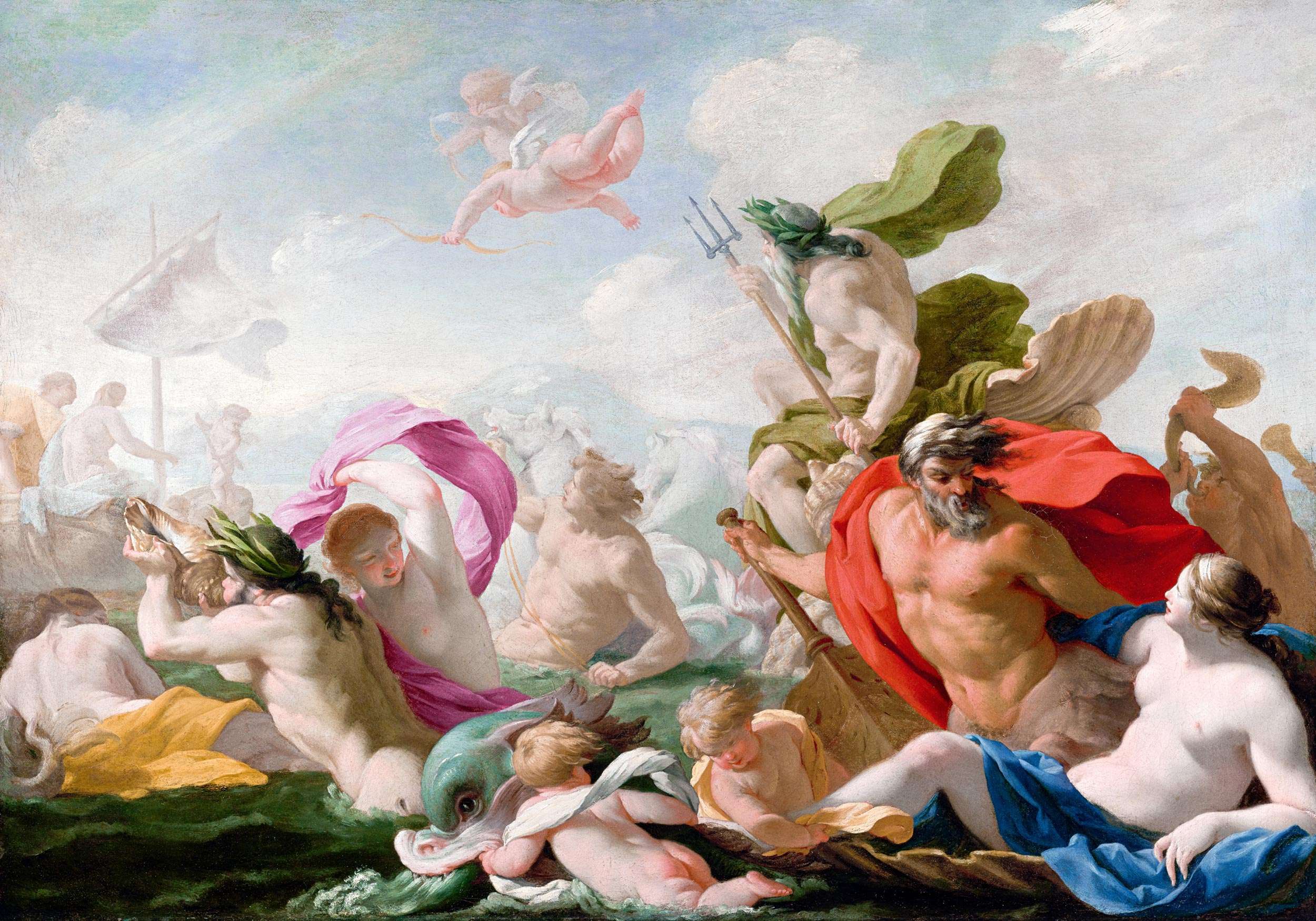
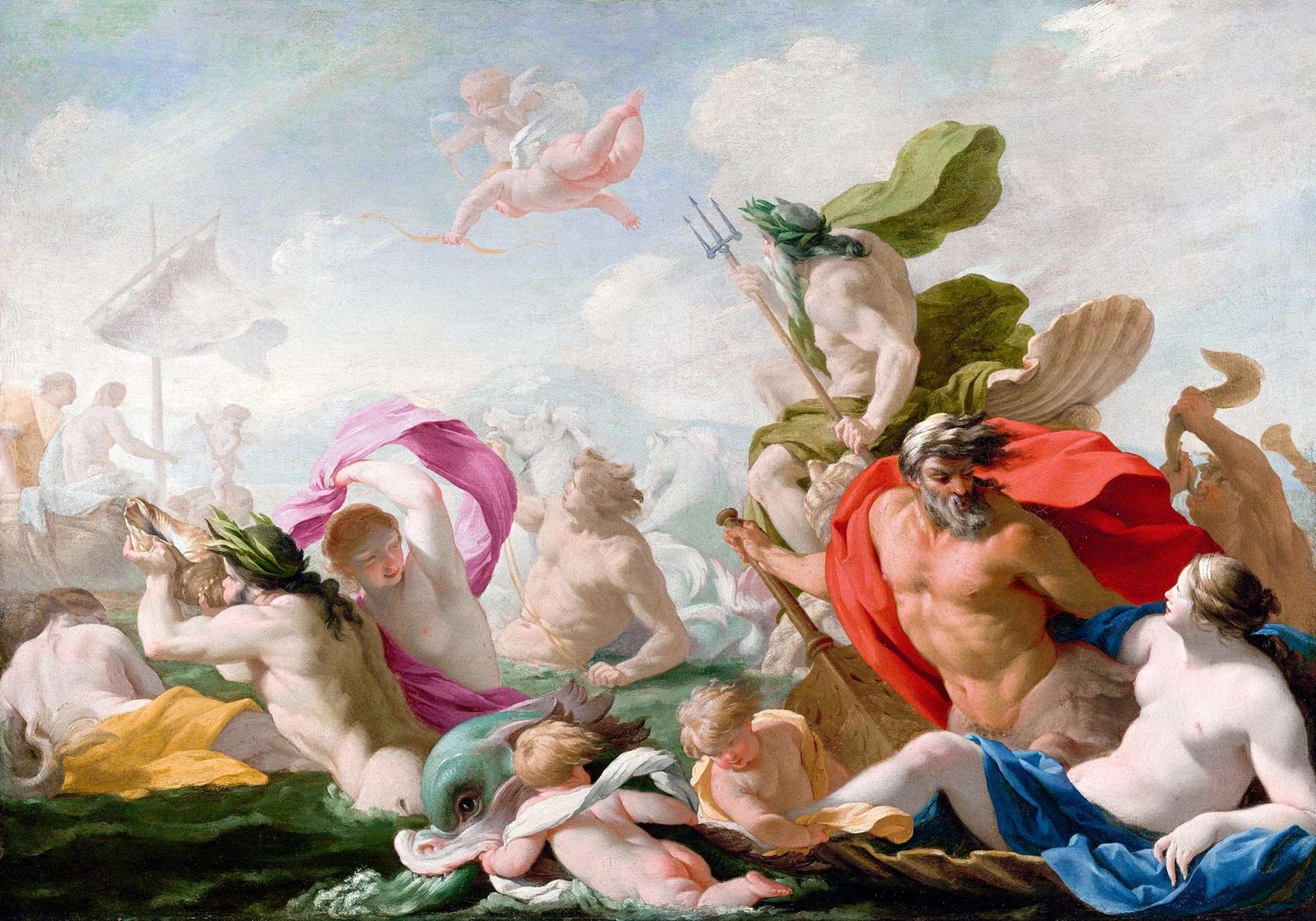
Poseidon
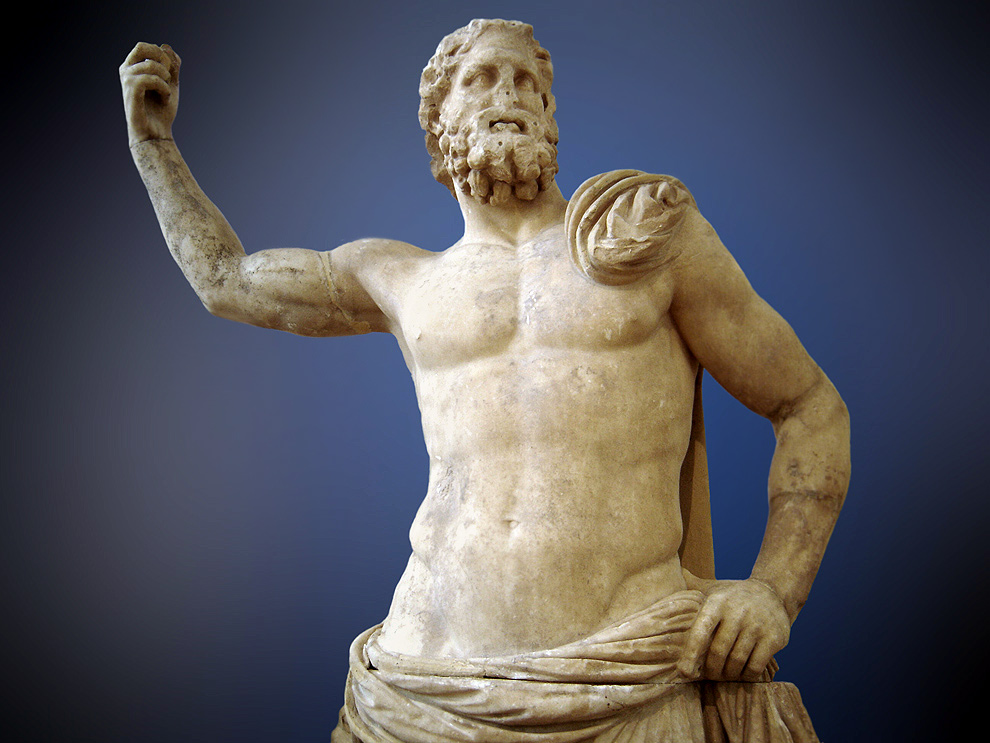
As ruler of the oceans and brother of Zeus, he appears often, especially in stories linked to seafaring Greeks. In the Odyssey, his vengeance defines the epic, prolonging Odysseus’s journey. Also, his rivalry with Athena over Athens reflects his tempestuous nature.
As a God of earthquakes, he is invoked in myths to explain natural disasters. Although he is not as versatile as Zeus or Athena, Poseidon’s dominion over the seas is vital to Greek life. This has ensured his repeated presence in myth.
Apollo
He is one of the most multidimensional gods, frequently appearing in epic and lyric traditions. Apollo’s Oracle at Delphi made him central to myths about fate and divine will. He is usually invoked as the patron of the arts.
In the Iliad, Apollo sends a plague upon the Greeks in response to disrespect against his priest. His domain runs across art, healing, prophecy, and punishment. Therefore, making him one of the most often mentioned deities.
Aphrodite
Few myths unfold without intervention from Aphrodite, the goddess of love and beauty. Her promise to Paris (Helen as a prize) set off the Trojan conflict. Also, her affairs with Ares, Anchises, and mortal favorites appear often in myths. Many stories show her manipulating events through desire and attraction. Likewise, her role as a destabilizing force in myth ensures she’s being mentioned often.
Hades
Although not as frequently depicted in Homeric epics, Hades is central in myths about death, the underworld, and rebirth. The myth of Persephone and Demeter gives Hades a lasting role in explaining the seasons. A lot of hero myths like Orpheus, Heracles, and Theseus involve journeys to the underworld. His relative absence from daily takes is balanced by the profound essence of myths involving the afterlife.
Timeless Symbols of Divine Characters
The frequency of mention reflects not just their divine power but the concerns of the Greeks themselves. Seafarers invoke Poseidon, warriors pray to Athena, rulers claim descent from Zeus, and ports sought inspiration from Apollo.
Today, these gods remain fixtures in different aspects of life, from literature to art and popular culture. They serve as timeless symbols of human struggle, creativity, and desire.