
Few subjects in the humanities offer as many doors into understanding the modern world as Ancient Greece. For students who want to enrich their critical thinking, deepen cultural awareness, and sharpen analytical skills, this field holds more than just ancient myths and marble statues. Whether you’re diving into philosophy, history, or art, the intellectual rewards are lasting. And if balancing these studies with other demanding coursework feels overwhelming, services like WritePaper can provide reliable academic support, giving you the freedom to focus on what makes Greek culture truly captivating. Many students combine their coursework with guided research to achieve stronger results.
The Roots of Western Philosophy and Inquiry
Philosophy, as a discipline, begins with Ancient Greece. Socrates questioned assumptions through dialogue, Plato laid out visions of justice and ideal states, and Aristotle created frameworks of logic that still guide argumentation today. By studying these thinkers, students not only learn about past ideas but also engage in exercises that sharpen reasoning skills. Every time you analyze a Platonic dialogue or an Aristotelian text, you are rehearsing how to test arguments, weigh evidence, and structure conclusions.
This intellectual training crosses disciplines. Students of politics, law, medicine, and the sciences benefit from the rigor of thought cultivated by Greek philosophy. It’s no accident that many introductory courses in critical thinking or ethics still draw on Greek models.
Literature That Shaped Storytelling
The stories of Homer, Sophocles, and Euripides remain foundational to world literature. Reading The Iliad or The Odyssey isn’t just about learning a tale of heroes and gods. These epics teach narrative structure, poetic technique, and the universal human struggle with honor, grief, and fate. Greek tragedies similarly address questions of justice, morality, and human agency in ways that echo across centuries.
For students of literature, studying these works refines interpretive skills. For aspiring writers, they reveal the power of myth and archetype in storytelling. For anyone interested in culture, they demonstrate how performance and collective memory work together. The fact that these texts continue to inspire adaptations in theater, film, and novels shows their ongoing relevance.
Political Experiments and Civic Lessons
The Athenian democracy remains one of the most intriguing experiments in governance. Citizens debated policies in the Assembly, juries were filled by lottery, and the idea of equality before the law began to take root. Examining how this system worked — and where it faltered — helps students reflect on their political environments.
When students study the Greek polis, they learn more than ancient history. They see how public debate, civic responsibility, and political accountability became the cornerstones of democratic thought. For modern political science majors, the lessons of Athens provide case studies in both innovation and caution, since the same system that expanded citizen rights also excluded women, foreigners, and enslaved people.
Art, Architecture, and the Pursuit of Beauty
Greek temples, sculptures, and plays reveal how the ancients approached beauty and meaning. The Parthenon’s proportions reflect mathematical precision. Statues such as the Discobolus capture movement and form with lifelike energy. In the theater of Dionysus, entire communities gathered to experience collective catharsis through drama.
Studying these creations trains the eye to recognize form, balance, and symbolism. Art students discover the principles of proportion. Historians learn how architecture reflects civic identity. Theater enthusiasts explore how performance can shape community. The Greek pursuit of beauty wasn’t superficial; it was tied to their quest for harmony, order, and expression of human potential.
Science, Mathematics, and the Birth of Systematic Methods
Greek thinkers laid critical foundations in STEM fields. Euclid formalized geometry, creating a textbook that remained in use for centuries. Archimedes developed principles of physics that still underpin engineering. Hippocrates, often called the father of medicine, emphasized systematic observation and diagnosis.
When students engage with these early works, they see how curiosity and structured inquiry evolved into scientific methods. For those pursuing STEM degrees, revisiting Greek texts is more than a historical exercise. It is a reminder of how problem-solving and pattern recognition transcend eras. It also encourages humility: today’s breakthroughs stand on a long tradition of discovery.
Timeless Themes in Human Existence
Greek texts grapple with love, death, fate, justice, and power — themes that never go out of date. Reading Antigone sparks debates about duty versus state law. Considering Odysseus’s long return home leads to reflections on resilience, loyalty, and the meaning of homecoming.
These stories invite students to connect their own experiences with those of people living thousands of years ago. In doing so, they cultivate empathy and perspective. The recognition that ancient concerns mirror modern dilemmas shows how deeply connected human experiences are across time.
Interdisciplinary Connections
One of the greatest perks of studying Ancient Greece is how it unites fields of knowledge. A single tragedy can be analyzed for its literary artistry, political commentary, religious context, and philosophical insights. A temple can be studied for its engineering, aesthetic values, and civic role.
This interdisciplinarity trains students to make connections across subjects, an essential skill in academic research and professional life. Employers often value graduates who can think broadly, synthesize information from multiple sources, and approach problems creatively. Ancient Greece provides the perfect training ground for this way of thinking.
Modern Applications of Ancient Wisdom
It may seem that studying a civilization more than two millennia old has little bearing on today’s world, but the opposite is true. Philosophical reasoning aids in legal interpretation and ethical debates in technology. Political insights inform democratic practice and civic participation. Literary analysis strengthens communication skills. Artistic study fuels design and creative industries.
Students who explore Ancient Greece gain historical knowledge and build toolkits for modern challenges. Whether crafting arguments in essays, participating in public discussions, or designing projects, the lessons from Greece have practical value.
A Lifelong Source of Inspiration
Finally, Ancient Greece offers inspiration. Students who immerse themselves in its ideas often carry the influence well beyond their academic years. Reading Plato may spark a lifelong interest in philosophy. Visiting Greek ruins might inspire careers in archaeology or art history. Engaging with epic poetry may nurture a deeper love of literature.
The point is that these studies continue to resonate long after the final exam. They enrich personal development, cultural awareness, and intellectual curiosity.
Conclusion: Why Ancient Greece Still Matters
Studying Ancient Greece is not about gazing at a distant past. It is about encountering the origins of thought, art, and politics that continue to shape the present. Students gain sharpened reasoning, cultural literacy, and interdisciplinary skills that extend far beyond the classroom. They find in its stories reflections of their struggles and its ideas the seeds of modern debates.
For anyone looking to balance personal growth with academic achievement, Ancient Greece remains a subject that delivers. Its intellectual legacy offers both practical skills and timeless wisdom — a rare combination that continues to inspire new generations of learners.
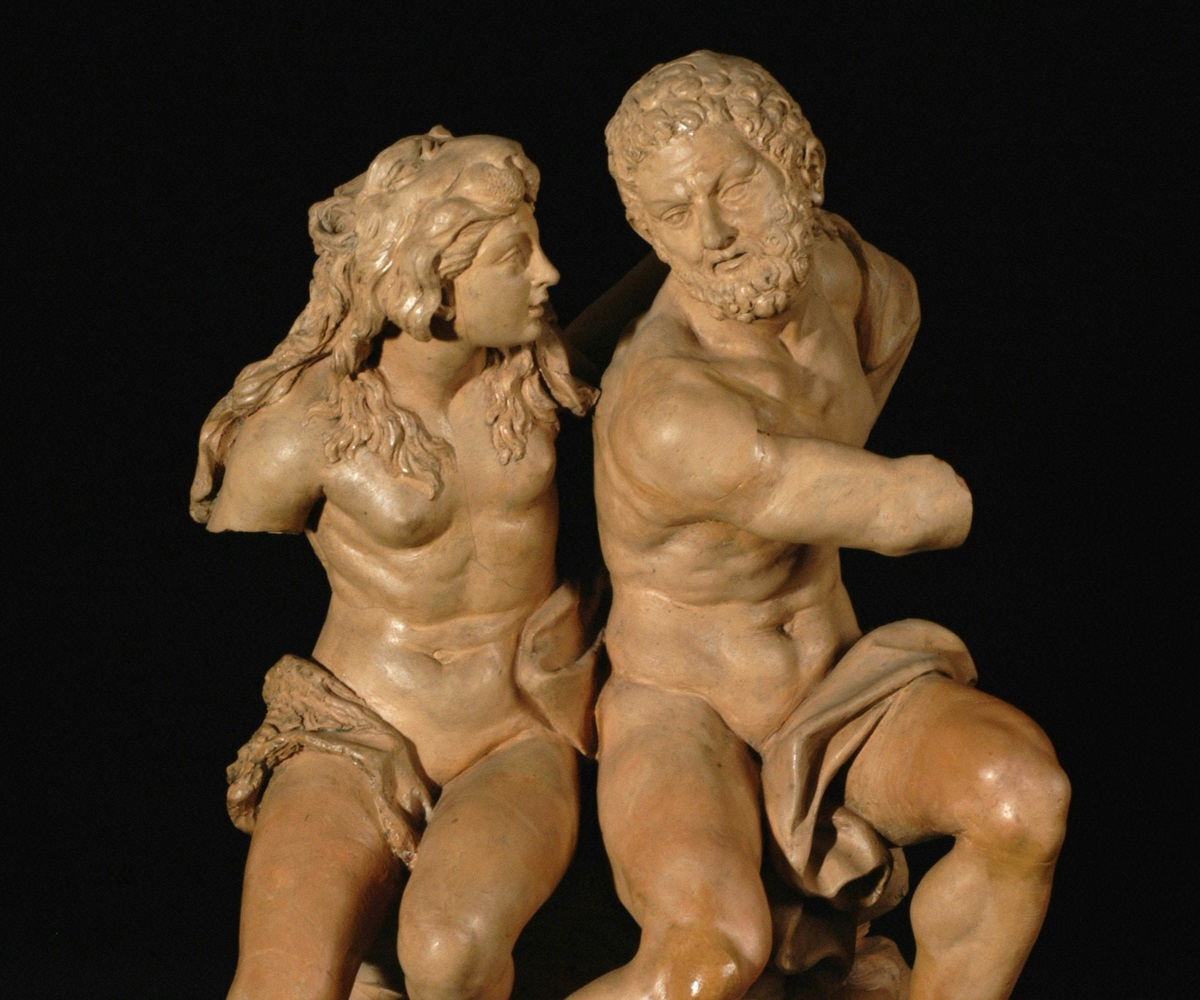
Featured image courtesy of Birmingham Museums Trust on Unsplash
