Following a successful 33rd edition of the Olympic Games in Paris last year, the torch was extinguished with the relighting of the famous flame set to take place in Los Angeles in the summer of 2028. Preparations are already underway as established athletes across all disciplines and newcomers looking to upset the hierarchy attempt to put themselves in the best position possible to leave LA with a medal.
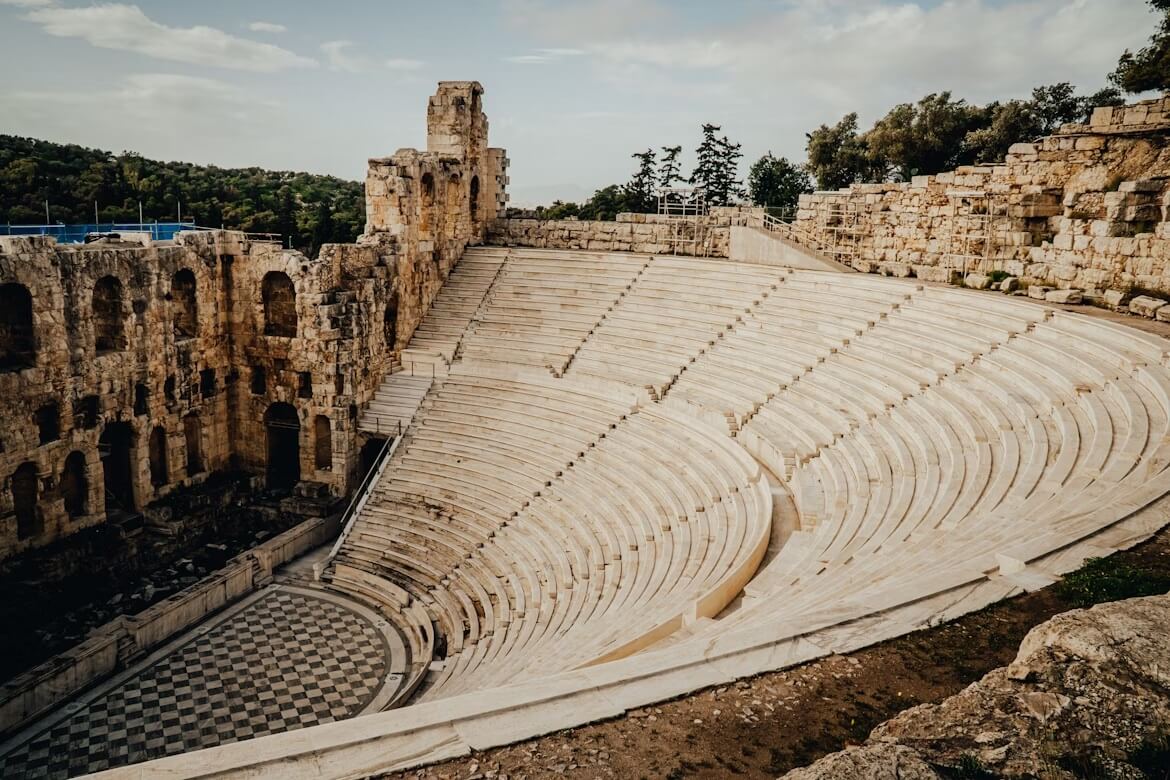
Since the first Olympic Games in 1896 in Athens, many different sports have showcased their athletes at arguably the biggest sporting event in the world. Nine sports (track and field, cycling, fencing, gymnastics, shooting, swimming, tennis, weightlifting and wrestling) had the honour of being part of the inaugural games centuries ago and since the late 19th century, over 40 different sports have featured at the Olympics.
In Los Angeles in 2028, squash and flag football are set to make their debuts on the Olympic stage, but while both will undoubtedly reap the rewards of greater exposure on a global scale when the games come around in 2028, when will it be the turn for Ireland’s Gaelic Games to showcase their proud collection of sports, including hurling, Gaelic football, camogie, Gaelic handball, and rounders?
Gaelic Games have been knocking at the Olympic door for decades and while there is plenty of argument for its inclusion, there are a few factors holding it back.
GAA hoping for more than a demonstration in the future
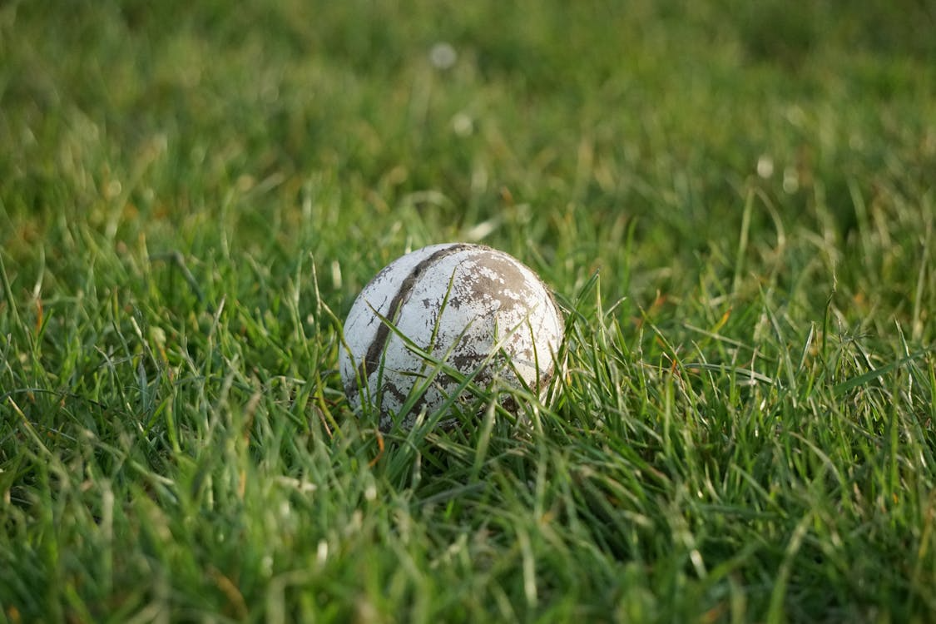
Gaelic Games have made one solitary appearance at the third Olympic Games in 1904 in St. Louis. However, over a century ago, Gaelic football and hurling were only included as demonstration sports. This means that the two sports were showcased to promote the sports, as opposed to being included as competitive, medal-winning disciplines.
This was once again the case in 2024 in Paris when the Gaelic Games returned to the Olympic scene, but only as demonstrations. Last summer, Gaelic football, hurling, camogie, and Ladies Gaelic football were features in the Olympic fan zone, where visitors from around the world could see the sports in action.
Despite taking its place in the fan zone in Paris, the GAA are hoping their sports, which are played in 51 countries outside of Ireland, will make the step up in the near future to allow Gaelic Games athletes to compete for medals across the different sports. Despite not making the cut for LA 2028, the return to the Olympic scene after 120 years should be seen as a positive step for the sports with eyes cast ahead instead to Brisbane 2032 for an official unveiling of the sports at the Olympic Games.
Raise the Profile Further
Within the Olympic corridors, there is the sentiment that Gaelic Games can make its debut as an official Olympic sport in the future. In Ireland and a handful of other markets, there is no doubting the popularity with Gaelic Games fans looking to explore MegaTipsList’s FREE GAA tips this week for news on the upcoming season. However, on the international scene, a few factors are currently holding the sports back.
Firstly, the lack of international recognition and participation, despite the fact Gaelic Games are played in 52 countries, is making it difficult for the International Olympic Committee (IOC) to create a fully diverse and global competition. Flag football has been perhaps given a golden pass to the Olympic Games due to the geography of the games. However, flag football has 70 member federations giving it a wider appeal but more importantly, flag football is governed by an international federation recognised by the IOC, which elevates it to a sport that can be considered for the Olympic Games.
For Gaelic Games to enter the realm of consideration, the profile of the sport will need to be raised further to an international standard in the eyes of the IOC. There could be crucial decisions to be made by the GAA in the near future.
