

Ancient myths are some of the most popular and interesting stories. They have shaped culture, art, and even modern technology. The gaming industry has also been influenced by ancient myths, which are reflected in ideas from the worlds of gods, heroes, and fictional creatures, adapted to the mechanics of interactive experiences. From Greek legends to Scandinavian sagas, game developers draw inspiration from mythological plots, adding new meanings and impressive visual power to them. In this article, we will discuss how ancient legends have influenced the formation of modern video games, genres, and even esports communities.
Greek and Roman Myths: The Foundation of Epic Storytelling
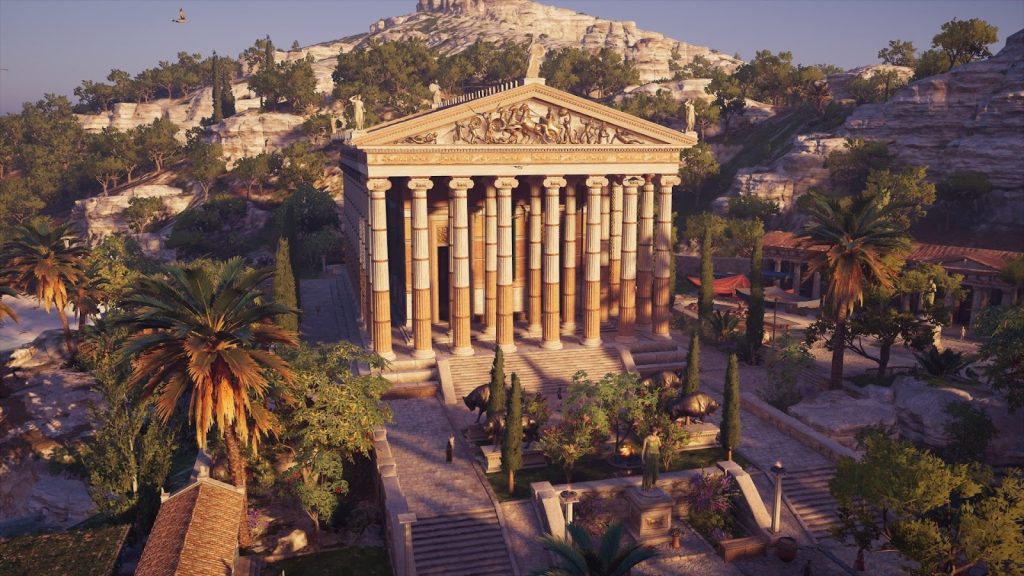
Greek and Roman mythology are among the most extensive and include a wealth of stories, both fictional and real. In addition, they contain a whole set of archetypes that have become the basis for the formation of heroic narratives in games. Characters such as Kratos from God of War embody the images of ancient demigods from myths and transfer stories into the game plot. Video games inspired by antiquity give players the opportunity to immerse themselves in interesting worlds where fate, power, and revenge are intertwined into a single dynamic storyline.
Developers inspired by the myths of video games are trying to repeat the existing mechanics and principles. This includes the struggle of good and evil, sacrifice for the sake of purpose, the intervention of the gods in human affairs. Even in projects without a direct mention of Zeus or Poseidon, you can see allusions to mythological events, a good example of this action-RPG game like Assassin’s Creed Odyssey or Hades.
At the same time, ancient legends can be used as a way of revealing the psychology of the player. Ideas about karma, redemption and fatum, though not often, are the basis for plot decisions that stimulate moral dilemmas. Therefore, ancient themes can form not only images of characters, but also the very structure of the game experience.
Norse Legends and the Rise of Heroic Worlds
Scandinavian myths are also among the most interesting and are a real trend in modern game development. They contain epic depth, combining the harshness of Scandinavian nature, the philosophy of fate, and the cult of war. Players love the atmosphere of Valhalla, Ragnarök, and stories about the gods of Asgard, with God of War: Ragnarök and Valheim being the most popular themed games.
Scandinavian legends often depict struggles not only with enemies, but also with one’s own fears. In this respect, they share similarities with psychological RPGs, where harmony and dynamism are important, and CS2 Esports, where victory is important. Scandinavian myths are a good embellishment to the plot and can add moral depth to the game. Thus, Scandinavian motifs become not just a stylistic element, but the foundation of modern gamer thinking.
Motifs from this mythology can also be seen in esports disciplines. For example, in MOBA projects, there are many characters inspired by Scandinavian mythological creatures, or even named after them, such as ‘Odin’ or ‘Loki’. In addition, these names have a corresponding style.
Asian Myths and the Philosophy of Balance
Eastern mythology has become one of the main trends in the gaming industry over the past few years. Its interesting feature is its philosophical depth. In these mythological worlds, good and evil do not oppose each other, but coexist in harmony. This principle of ‘yin and yang’ has become the conceptual basis for many modern titles.
Video games such as Sekiro: Shadows Die Twice and Ghost of Tsushima are a good example of how mythological images can simultaneously be high-quality decorations and a metaphor for internal struggle. Heroes in these games are faced with the ideas of honor, death and rebirth, which have direct parallels in ancient Chinese and Japanese traditions.
Gods, spirits, and demonic beings such as Kitsune, Oni, or Dragons have become part of the game symbolism. They are more than game creatures, they embody moral dilemmas, forcing the player to rethink the concept of justice.
Egyptian, Celtic, and Other Forgotten Legends
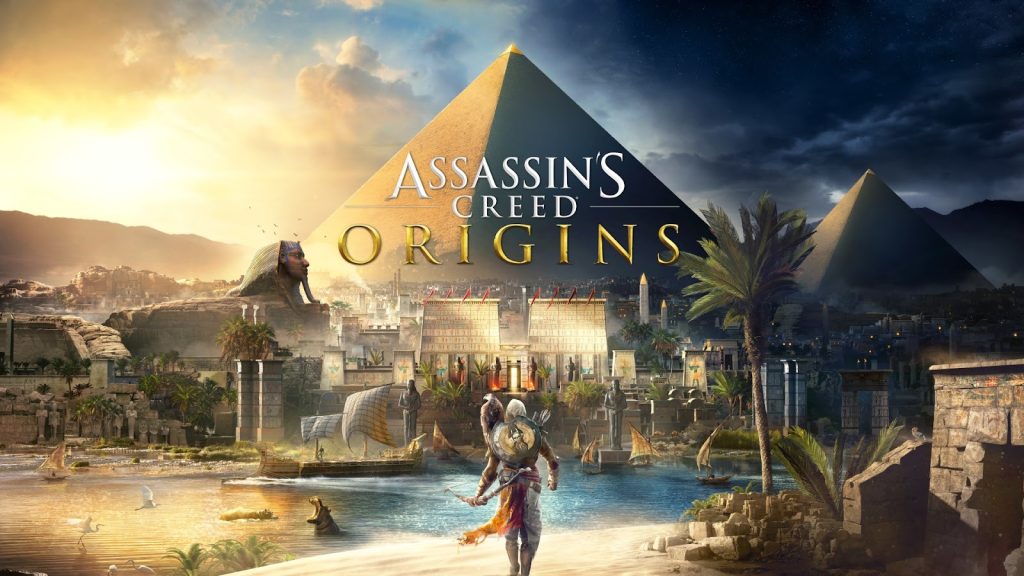
Egyptian mythology is also a good resource for inspiration in video game development. Gods such as Anubis, Ra, and Isis often appear not only in books but also in role-playing and adventure games. Like other mythologies, they symbolise certain values, including the connection between life and death, as well as the eternal quest for immortality. A good example is Assassin’s Creed Origins, where these images create a unique atmosphere of mysticism, and the game’s plot turns into a profound philosophical parable.
Celtic and Slavic legends are also worth mentioning and are also beginning to be revived in gaming culture. Witches, forest spirits, and ancient talismans are becoming important elements in fantasy video games. The presence of Slavic mythology in The Witcher 3: Wild Hunt demonstrates that even local myths can find global recognition if presented with realism and respect for the original source.
Lesser known mythologies, such as Sumerian or Aztec, are also integrated into video games, but mostly into indie projects. The developers experiment with stories about the creation of the world, sacrifice and the struggle between the forces of chaos and order. This allows you to create unique gameplay, players to discover new cultures that they have not even heard of before.
So, ancient stories do not just come to life in digital format – they get a second life, expanding the idea of the past and reminding that all civilizations wanted one thing: to leave a mark in eternity.
Conclusion
In this text, you learned how ancient myths inspire the modern gaming world. They inspire developers to create worlds where the spiritual combines with the technological, and the heroes of ancient legends occupy an important place in the plot. Greek myths, Scandinavian sagas, Eastern philosophy, and Egyptian symbols are all part of a single cultural heritage that has become an important part of the digital world. As technology continues to evolve, more ways are being created to integrate ancient legends into the gaming universe, continuing the cultural heritage and making new products even more interesting.
