
Ancient Greece is often remembered for its philosophy, art, and democratic ideals, but its cultural history extends well beyond politics and literature. The ancient Greeks cultivated complex social and spiritual practices that included the use of various substances, notably alcohol and, in some contexts, cannabis.
These substances were woven into daily life, ritual, and medicine, reflecting a nuanced understanding of pleasure, health, and communal experience. By examining how these substances were used, we gain insight into the social fabric and values of one of history’s most influential civilizations.
Early Cannabis References in Greek Society
The earliest references to cannabis in Greek sources suggest that it was primarily recognized for its practical and medicinal properties. Ancient texts mention the use of cannabis fibers for rope and textiles, particularly in naval settings where strong, durable materials were crucial. Beyond its industrial uses, Greek medical writers noted its role in treating inflammation and pain, often applying crushed seeds or extracts to wounds.
Some historical accounts draw connections between Greek knowledge and neighboring regions, such as Scythia, where cannabis use was more overtly ritualistic. Travelers and historians like Herodotus described Scythian steam baths filled with cannabis smoke, a practice that may have influenced Greek awareness of the plant’s psychoactive properties. Modern historians and enthusiasts can trace these early references to explore the broader history of cannabis varieties and cultural adoption, similar to how some might learn about Piña Grande, a contemporary strain with its own distinctive characteristics. These connections highlight how cannabis knowledge traveled through trade, exploration, and cultural exchange.
Alcohol in Daily Life and Social Rituals
Unlike cannabis, alcohol, especially wine, was deeply embedded in Greek daily life and culture. Wine was consumed at virtually all levels of society, from the peasantry to the elite, though the context and form of consumption varied. Greeks viewed wine not just as a beverage but as a symbol of civilization and hospitality. Diluting wine with water before drinking was a common practice, reflecting both practicality and cultural norms. Undiluted wine was considered barbaric or excessive, a notion often applied to neighboring peoples whom Greeks viewed as less “civilized.”
Symposia, or drinking parties, played a central role in Greek social and intellectual life. These gatherings combined music, poetry, conversation, and philosophical debate with structured wine consumption.
Religious and Spiritual Contexts of Substance Use
Both cannabis and alcohol intersected with Greek religious practices in different ways. Alcohol, particularly wine, was closely tied to Dionysus, the god of wine, festivity, and ecstasy. Dionysian rituals and festivals frequently involved communal drinking, dancing, and theatrical performances intended to dissolve social boundaries and unite participants with divine forces. These events could be joyous and liberating, but they carried undertones of transformation and unpredictability, reflecting the dual nature of Dionysus as both a bringer of joy and chaos.
While cannabis did not have the same central religious role as wine, its medicinal and possibly sensory effects may have been used in some healing or ritual contexts. Some historians speculate that healers or oracles could have employed cannabis preparations to induce altered states of consciousness, similar to other ancient cultures.
Medical Uses and Philosophical Perspectives
Greek medical writers, such as those in the Hippocratic tradition, approached substance use with a focus on balance and health. Wine was prescribed for a variety of ailments, from digestive issues to mood regulation, depending on the dilution and preparation. Physicians believed in tailoring wine consumption to individual constitutions, reflecting the broader Greek medical principle of harmony within the body.
Cannabis, while less widely discussed, appears in some texts for its anti-inflammatory and pain-relieving properties. Crushed seeds or extracts were sometimes applied to treat wounds or swelling. Philosophers, too, weighed in on the appropriate role of substances in human life.
Trade and Cultural Exchange Influences
The presence of both wine and cannabis in Greek culture cannot be separated from the Mediterranean’s extensive trade networks. Greek merchants and sailors interacted with neighboring civilizations, exchanging goods, agricultural practices, and cultural ideas.
Wine production and viticulture spread alongside Greek colonies, shaping local economies and cultural identities. Cannabis knowledge likely entered Greece through interactions with Eastern and Northern cultures, where the plant had established ritual and medicinal uses.
This cross-cultural exchange enriched Greek society, blending local traditions with foreign influences.
Lasting Cultural Legacy
The ways in which ancient Greeks used cannabis and alcohol reveal a society deeply engaged with questions of pleasure, health, and human experience. Their emphasis on moderation, ritual structure, and communal engagement shaped practices that would influence Roman society and, later, European culture more broadly. Greek wine traditions in particular left a lasting mark on Western social customs, religious rituals, and agricultural techniques.
Cannabis, though less central, provides insight into how ancient societies exchanged knowledge and experimented with natural resources. Its role in Greek culture may not have been as prominent as wine, but its presence underscores the Greeks’ openness to adopting and adapting new substances.
The history of cannabis and alcohol use in ancient Greece offers more than a glimpse into past habits, it reveals a sophisticated society that blended practical knowledge with philosophical reflection and communal expression. From symposia to medicinal applications, these substances were tools for social bonding, spiritual exploration, and cultural development. Understanding their role provides valuable context for how ancient civilizations shaped human approaches to altered states and shared experiences.
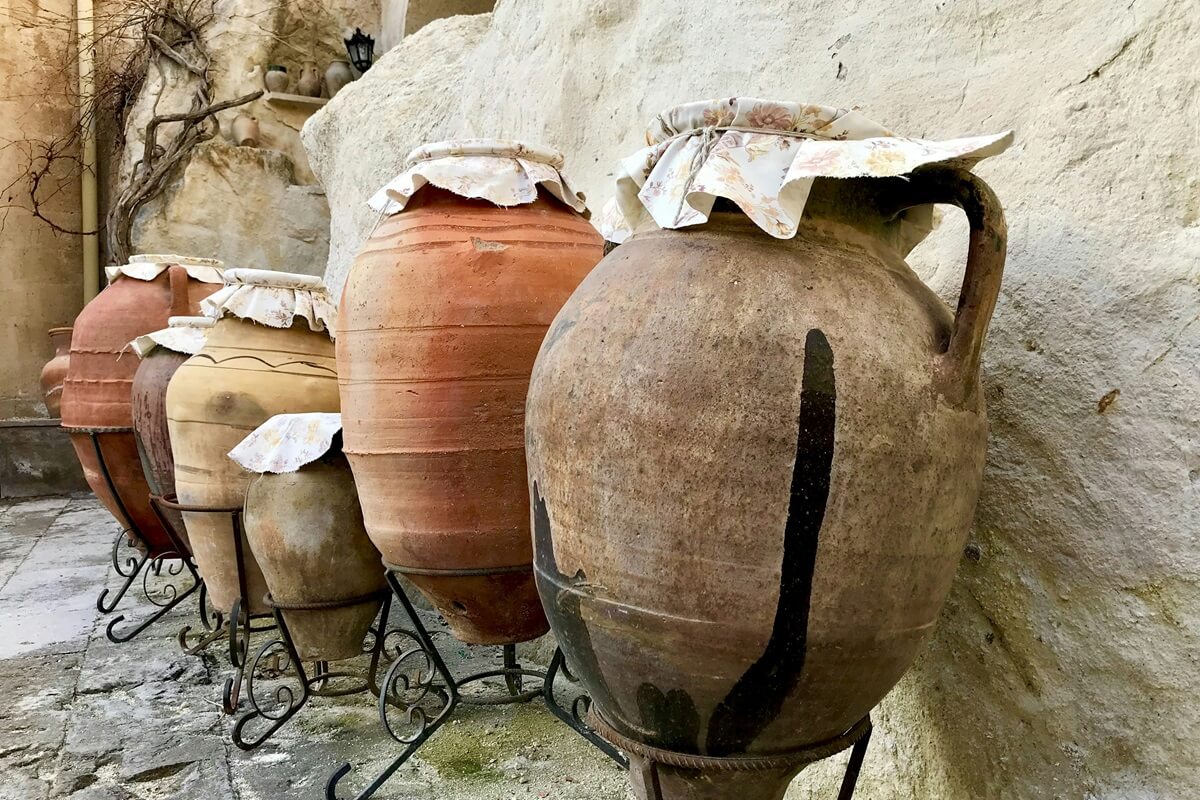
Photo by Aybike Koseoglu on Unsplash
