
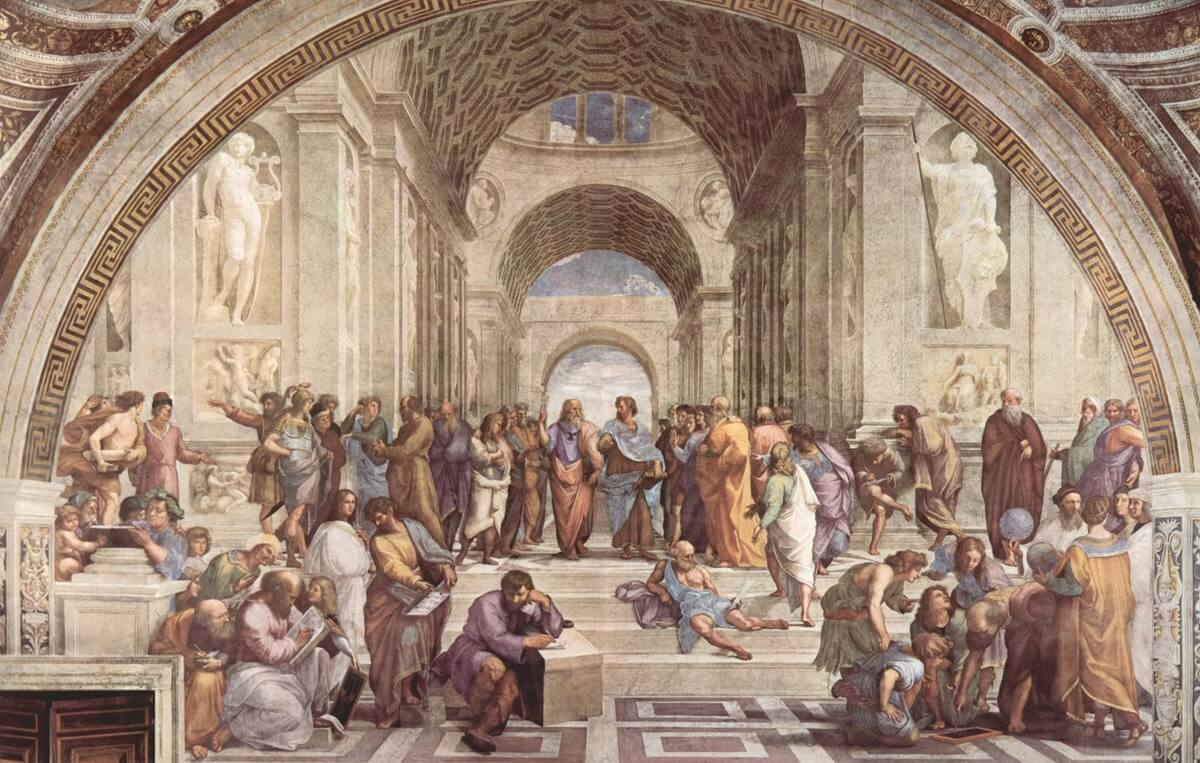
Education in ancient Greece was far more than a method of teaching children basic skills. It shaped identity, defined social roles, prepared citizens for public life, and influenced how an entire culture understood itself. Each city-state developed its own model of learning, reflecting its political values and social ideals. These contrasts become especially clear when comparing ancient and modern life, as discussed in “How Did Life in Ancient Greece Differ from Modern Life?”.
The Athenian Model: Intellectual Growth and Civic Responsibility
Athens is often remembered as the intellectual heart of Greece, and its educational system reflects this reputation. Athenian boys began schooling at around seven, learning reading, writing, music, poetry, and athletics. Yet the cornerstone of their education was rhetoric—the art of reasoning and persuasive speaking.
Because political participation in Athens depended on public debate, rhetorical skill was essential. Students who struggled with structuring arguments or preparing written analyses often face similar challenges today, which is why many turn to EssayPay.com for support in organizing and presenting their ideas clearly — much like Athenian youths once relied on their teachers to prepare for democratic life.
Athenian education aimed at kalokagathia, the ideal balance of physical, intellectual, and moral excellence. Although limited to freeborn boys, its influence on later Western education is undeniable.
The Spartan System: Discipline, Strength, and Collective Identity
Sparta pursued a radically different model. For Spartans, education existed to create disciplined warriors. Boys entered the agoge at around age seven and underwent intense training focused on obedience, endurance, and military readiness. Reading and writing were secondary; discipline and survival mattered most.
Interestingly, Spartan girls received more formal physical education than their Athenian counterparts. They trained in athletics, learned strength and coordination, and were encouraged to become resilient and confident—traits believed necessary for producing strong future citizens and soldiers.
Education Beyond Athens and Sparta: Skills for Trade and Craftsmanship
In other Greek city-states, especially commercial centers like Corinth and Miletus, education took on a more practical form. Children learned arithmetic, accounting, maritime skills, and crafts essential for trade. Informal apprenticeships were common, with young people learning directly from artisans in workshops and marketplaces.
Modern students studying the economic foundations of ancient societies often draw comparisons between ancient craft-based economies and modern labor systems. For help in analyzing such historical-economic parallels, many rely on services like KingEssays.com, which assist in transforming raw research into structured academic writing.
These city-states valued knowledge that supported commerce and navigation, shaping a pragmatic educational culture that contributed to scientific and economic development.
Education for Girls: Limitations and Exceptions
While boys’ education varied widely, girls’ education across Greece was generally limited. In Athens, girls learned domestic skills at home, and only occasionally gained basic literacy. Social expectations restricted their public roles, and formal schooling was rare.
Sparta remained the major exception. Spartan girls trained physically alongside boys and enjoyed greater public visibility. Their education emphasized discipline and physical excellence, reflecting the militaristic values of their society.
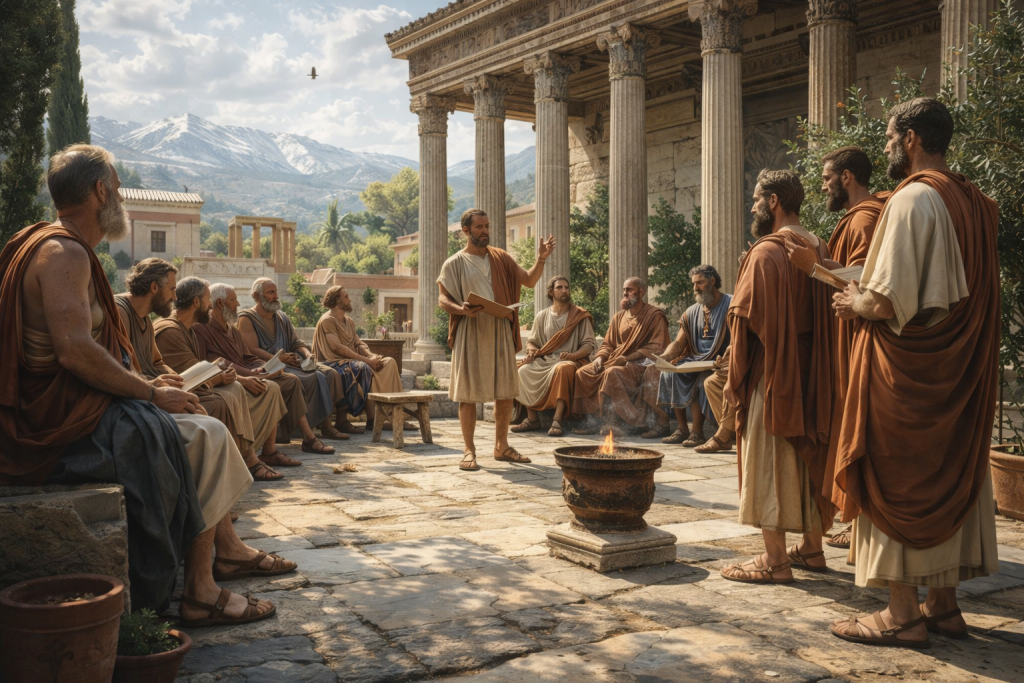
Cultural Impact: The Enduring Legacy of Greek Education
The influence of ancient Greek education echoes strongly through history:
- Athenian emphasis on intellectual growth inspired modern liberal education.
- Rhetoric and logical reasoning shaped Western political discourse.
- Spartan discipline remains a symbol of collective strength and military rigor.
- Apprentice-style training in commercial cities foreshadowed the development of medieval guilds and today’s vocational education.
Above all, the Greeks understood that education shapes not only individuals but civilizations. Their schools, training grounds, and philosophical academies established traditions that still inform our understanding of citizenship, ethics, and human development.
Parting Thoughts
Education in ancient Greek city-states reflected their identities: Athens cultivated thinkers, Sparta forged warriors, and commercial cities raised craftsmen and merchants. These diverse systems created a cultural landscape that valued both intellectual and practical excellence. Their legacy continues to influence educational philosophy, democratic values, and the belief that learning is a lifelong journey tied to the well-being of society itself.
