
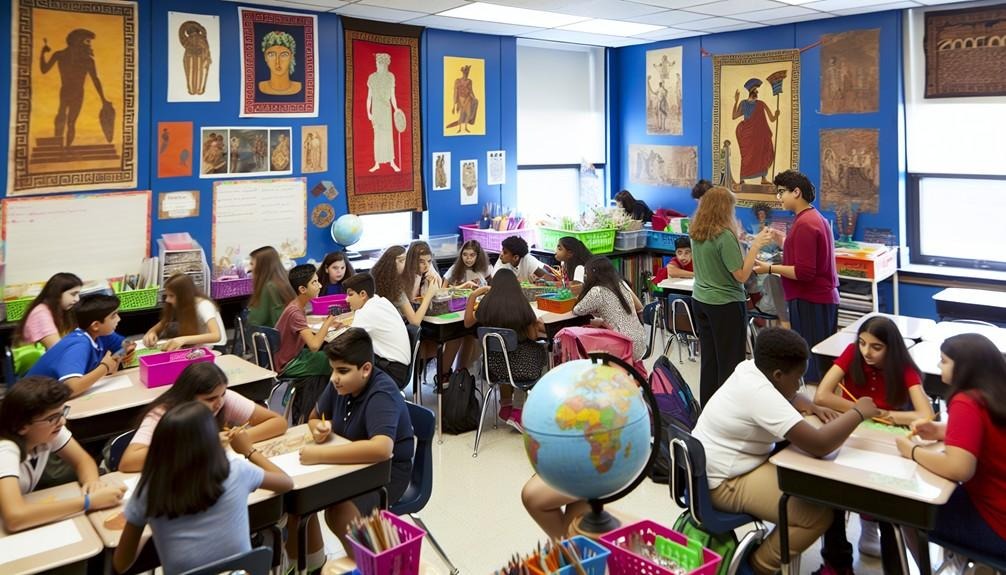
When you consider Greek mythology as a framework for middle school social studies projects, you’re opening up a rich tapestry of ancient stories that can illuminate modern concepts. These myths provide a unique lens through which students can examine themes like heroism and morality, while also making connections to today’s societal issues. Think about how engaging skits or debates could spark critical thinking and creativity in your classroom. But what specific project ideas can truly capture students’ interest and encourage deeper analysis? Let’s explore some possibilities that can transform your curriculum.
Understanding Greek Mythology
Understanding Greek mythology opens a fascinating window into ancient cultures and their beliefs. You’ll discover that these myths were more than mere stories; they were a means of explaining natural phenomena, human experiences, and moral lessons.
The ancient Greeks personified their world through gods and goddesses like Zeus, Athena, and Poseidon, each representing different aspects of life and nature.
As you investigate Greek mythology, you’ll encounter tales of heroism, love, and tragedy, which reflect the values and societal norms of the time. You might explore the significance of myths in shaping Greek identity and how they influenced art, literature, and philosophy.
Consider how these narratives served as a foundation for community rituals and religious practices, connecting people to their culture and history.
Moreover, analyzing the structure of myths reveals common patterns and archetypes, such as the hero’s journey, which can enhance your understanding of storytelling.
Key Themes in Greek Myths
Greek myths are rich with key themes that resonate through time, offering valuable insights into the human experience. One prominent theme is the struggle between fate and free will. Characters like Oedipus illustrate how individuals attempt to escape their destinies, only to find themselves ensnared by them. This theme encourages you to reflect on the extent of your own choices in life.
Another significant theme is the importance of heroism and bravery. Heroes like Hercules demonstrate courage, often facing insurmountable odds. These stories inspire you to contemplate what it means to be brave in your own life, whether in small acts of kindness or larger challenges.
The theme of hubris, or excessive pride, is also prevalent. Many tragic figures, such as Icarus, fall victim to their own arrogance, reminding you of the importance of humility.
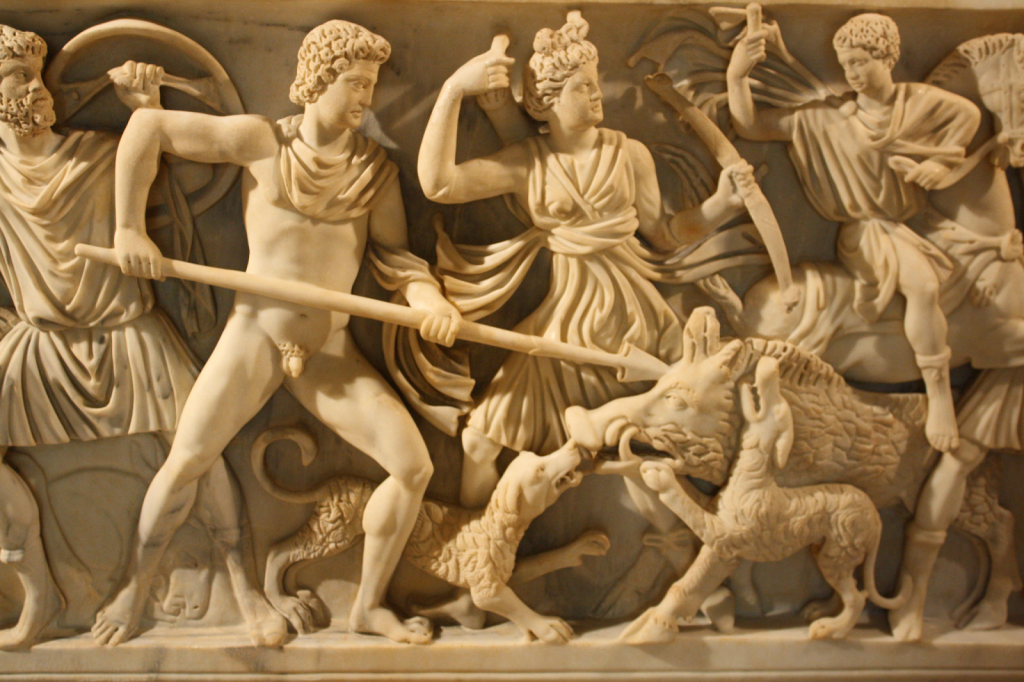
Integrating Myths Into Curriculum
How can you effectively bring the timeless tales of mythology into your classroom? Start by weaving Greek myths into your existing curriculum. Choose myths that resonate with the themes you’re covering in social studies, such as democracy, justice, and heroism. For instance, you might connect the story of Athena and her wisdom to discussions about ancient Greek governance.
Next, encourage students to explore the cultural context of these myths. Have them research the historical background of ancient Greece, examining how geography influenced mythology. This not only enhances their understanding of the myths but also enriches their knowledge of social studies.
Incorporate multimedia resources like films, podcasts, or interactive websites. These can help bring the myths to life, making them more relatable and engaging for your students, whether they’re learning in traditional classrooms or through an online school K-12 program. You could even create a reading schedule that aligns specific myths with particular lessons.
Lastly, foster discussions that allow students to draw parallels between mythological tales and contemporary issues. This will help them see the relevance of mythology in today’s world, ensuring they grasp the importance of these stories beyond mere entertainment.
Integrating myths into your curriculum can transform learning into a dynamic and enriching experience.
Project Ideas Inspired by Myths
Many exciting project ideas can emerge from the rich tapestry of mythology, offering students a chance to explore these ancient stories in creative ways. You might consider having students create a visual timeline that illustrates the key events of a particular myth, helping them understand the sequence and significance of these tales.
Another idea is to encourage them to write and perform a modern-day skit based on a myth, allowing them to connect ancient themes to contemporary issues.
You could also task students with designing a “God or Goddess” trading card, complete with illustrations and essential facts about their chosen deity, which reinforces their understanding of the characters. A research project could involve investigating the historical context of a specific myth, giving students insight into the culture that produced it.
Additionally, consider a group project where students create a digital presentation comparing different myths that share similar themes, like love or heroism. These engaging activities foster collaboration and critical thinking while deepening their appreciation for mythology’s relevance today.
Each project idea not only sparks creativity but also reinforces social studies concepts, making learning both enjoyable and impactful.
Engaging Students With Mythology
While exploring mythology, you can captivate students by weaving these ancient stories into their everyday lives. Start by connecting myths to modern themes like heroism, identity, and morality. Ask students to identify traits they admire in mythological heroes like Hercules or Athena, then encourage them to reflect on how those traits apply to their own lives.
Next, create interactive activities that bring myths to life. Host a mythological debate where students argue the actions of different gods, fostering critical thinking and public speaking skills. You could also have them create modern-day adaptations of myths, perhaps through skits or digital storytelling, allowing for creativity and collaboration.
Incorporate visuals, too. Use art, music, and videos to illustrate myths, ensuring students engage with the content in diverse ways. This multimedia approach can spark interest and enhance understanding.
Analyzing Historical Contexts
To truly appreciate Greek mythology, you need to analyze the historical contexts in which these stories emerged. Immerse yourself in the rich tapestry of ancient Greece, where myths served not only as entertainment but also as reflections of societal values and beliefs. Understanding the political, social, and economic conditions of the time can help you grasp why certain themes resonated with the people.
Start by exploring the significance of city-states like Athens and Sparta. Each city had its own customs and challenges, influencing the myths that developed within them. For example, the Athenian emphasis on democracy sparked stories that valorized wisdom and civic duty, while Spartan tales often highlighted strength and discipline.
Next, consider the impact of historical events such as wars and colonization. These events shaped the narratives, creating heroes and villains that mirrored the struggles of everyday life. By analyzing these contexts, you’ll uncover deeper meanings behind the myths and how they relate to the people of that era.
Encourage your students to think critically about how these historical elements shaped the myths, fostering a more profound understanding of Greek culture and its lasting influence on the world.
Connecting Myths to Modern Society
Greek myths resonate deeply in modern society, offering timeless lessons that reflect our own values, challenges, and aspirations. By connecting these ancient stories to today’s world, you can uncover insights that are both relevant and enlightening.
Here are three ways you can investigate these connections:
- Heroism and Morality: Consider how characters like Hercules embody the struggle between good and evil. You might analyze contemporary heroes, like activists or leaders, who fight for justice and equality.
- Human Emotions: Myths often explore themes of love, jealousy, and ambition. Think about how these emotions manifest in modern relationships or social dynamics, and discuss their implications in your projects.
- Cautionary Tales: Many myths serve as warnings, such as Icarus’s hubris. Reflect on how modern society faces similar pitfalls—like greed or environmental neglect—and propose solutions based on these ancient lessons.
Assessing Student Projects
Evaluating student projects can be a rewarding experience, as it allows you to witness the creativity and critical thinking that emerge from exploring Greek mythology.
To effectively assess these projects, start by establishing clear criteria. Consider aspects such as content accuracy, originality, presentation quality, and connection to social studies themes. Share these criteria with your students beforehand, so they know what’s expected.
As you review each project, take notes on strengths and areas for improvement. This won’t only guide your feedback but also help students reflect on their work.
Encourage peer assessments, too; having students critique each other’s projects fosters collaboration and deeper understanding.
When providing feedback, be specific. Instead of saying, “Great job,” highlight what worked well, like their unique interpretation of a myth. This targeted feedback will motivate them to build on their strengths.
Conclusion
Incorporating Greek mythology into your social studies projects opens a treasure chest of learning opportunities. By exploring timeless themes and connecting ancient tales to today’s world, you spark curiosity and critical thinking in your students. Just like Odysseus faced challenges with courage, your students can navigate complex ideas with creativity and insight. Embrace this dynamic approach, and watch as they transform into modern-day heroes of learning, discovering the rich tapestry of culture, history, and values that shape our world.
