
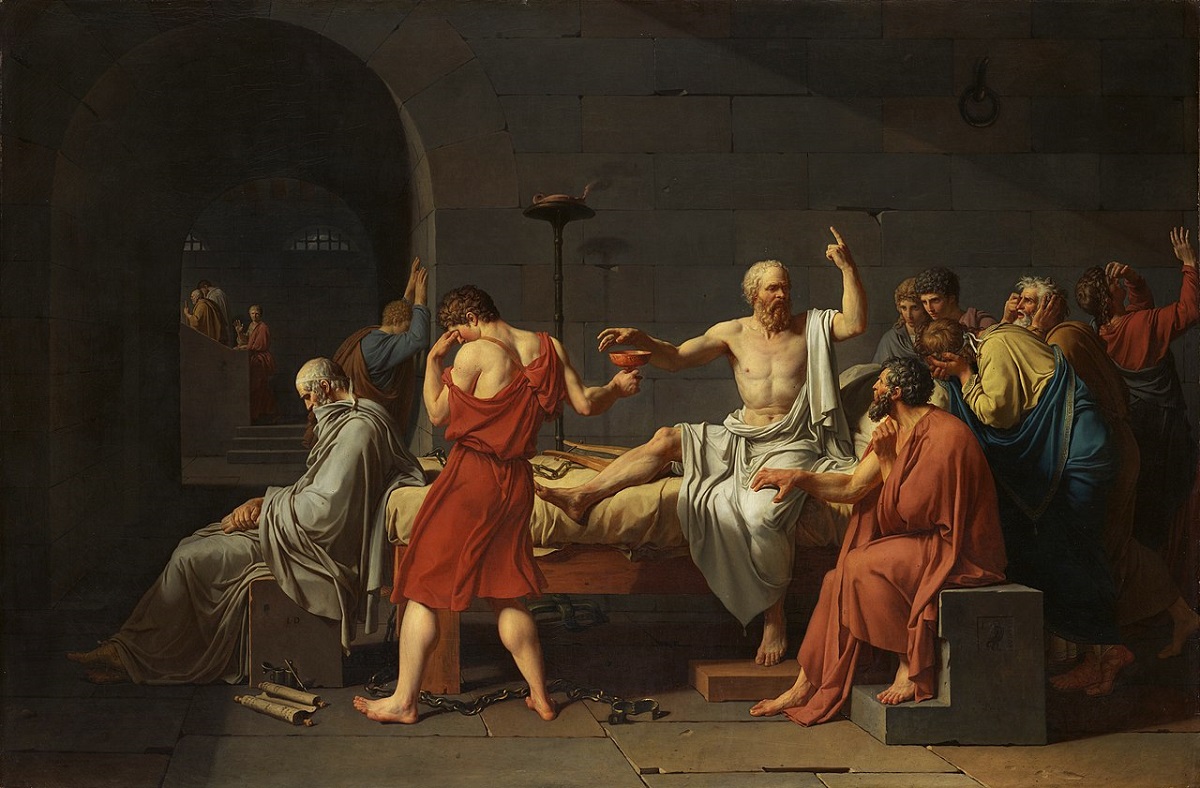
Daily life in Ancient Greece ran on two aligned tracks – the routine of fields, markets, and assemblies, and the quiet choreography of rites that tied choices to the gods. Households tended the hearth to keep luck steady, travelers paused at roadside shrines, and magistrates poured libations before debates, so public words carried recognized weight. Religion worked through repetition rather than distant decree: the same paths to sanctuaries, the same festival routes across seasons, the same formulas for oaths and thanks. By moving through these patterns, families and cities preserved order and taught younger generations that peace, fairness, and memory depend on habits that everyone can read and trust.
Oaths, Purity, and the Authority of Words
Power attached to speech only after preparation. Before trials, treaties, or property agreements, Greeks washed, approached altars, and called specific gods as witnesses to bind promises with consequence. The point was less fear than clarity – an oath framed who was speaking, which duties applied, and what would follow if truth bent under pressure. Purification rules added a steady rhythm to life: avoid polluting acts before rites, wash before entering a sacred space, and keep ritual tools separate from daily clutter. That visible care gave contracts, judgments, and reconciliations a spine the community could recognize, even when neighbors disagreed about outcomes.
Modern readers who compare how contests or chance events are staged and recorded – in stadiums, on gaming floors, or inside a live casino – will spot the same instinct for legibility: explicit rules, shared procedures, and results that gain authority because everyone agrees on the frame. Greek oaths made fairness feel present, not abstract. A known place, a named deity, and a practiced formula turned private claims into civic matters. The lesson carried beyond courts into business and family life, where reputations rose on the ability to keep terms in view and to show, step by step, how a decision came to be.
Xenia: Sacred Hospitality That Traveled with the Guest
Hospitality was a sacred contract that moved with the traveler. Hosts offered water, a seat, and food before asking questions, because a stranger could be a messenger, a future ally, or a guest under a god’s eye. Gifts and names followed after rest, then stories and obligations that might span generations. The code protected caravans and sailors, spreading trust along trade routes and port towns where language and dialects shifted. Ritual made courtesy firm: a welcome at the door, a careful portion at the table, and a parting gift that right-sized the favor. Cities borrowed the same logic at scale with guest-friendships that smoothed diplomacy and kept markets open during tense seasons.
Sanctuaries, Oracles, and the Calendar of Trust
Sanctuaries organized time. Local calendars stacked processions, sacrifices, choral contests, and seasonal fairs so memory refreshed at steady intervals. Oracles added a place for difficult choices when knowledge felt thin. The Pythia at Delphi spoke in a setting that forced patience – purification, consultation, and interpretation by officials trained to handle ambiguity. Even small towns echoed the pattern, with lots to assign offices and ritual days to settle quarrels. Because the schedule returned each year, communities repaired strain through ceremony instead of delay, and people learned when to ask, when to wait, and when to act with confidence that neighbors would accept the result.
- Use sanctuaries for decisions that demand witnesses and restraint.
- Let festival routes and dates anchor civic memory through repetition.
- Pair local custom with wider networks so trade and pilgrimage reinforce trust.
- Teach youth the steps of rites, so duty becomes muscle memory over time.
Games, Wagers, and the Measure of Fair Play
Play was never far from worship. Athletic contests honored gods and drilled virtues prized in councils and war – endurance, balance, and respect for rules that applied to champions and newcomers alike. Dice and knucklebones lived beside hymns, reminding families that chance and skill share the same street. What mattered was how uncertainty entered the day: with agreed tools, positions, and adjudicators who answered to the crowd. In that setting, a win taught mastery without arrogance and a loss taught patience without shame. The pattern carried into markets where weights and measures were inspected and into courts where procedures kept emotion within clear lines.
Rites of Passage and the Ethics of Everyday Choice
From birth to burial, rites paced private life with public meaning. Naming days, coming-of-age steps, marriages marked by processions, and carefully timed funerals taught that choices belong to communities as well as households. Offerings at graves kept memory active, while hero cults tied neighborhoods to founding stories that rewarded courage and moderation. The fabric held because repetition was simple and durable – wash, gather, call the right names, share food, keep records of gifts and vows. Ancient Greece shows how a city can steady itself through shared forms: prepare before speaking, welcome before judging, play within rules, and let the calendar carry care forward when tempers and fortunes change.
