The study of ancient Greek literature might seem like a relic of the past, a scholarly pursuit reserved for historians or classicists buried in dusty libraries. Yet classrooms worldwide continue to revisit the works of Homer, Sophocles, and Plato. Students still wrestle with these centuries-old texts because their relevance hasn’t faded. Instead, their themes of justice, power, morality, and human struggle remain surprisingly contemporary. When assignments on these topics feel overwhelming, you might be tempted to ask someone to write a research paper for you, but engaging with the material firsthand reveals the timeless lessons hidden in these narratives. The intellectual reward for grappling with these works is worth the effort.
Literature as the Foundation of Western Thought
Ancient Greece occupies a unique place in intellectual history. From the Iliad and Odyssey to the tragedies of Euripides, the Greeks were among the first to frame human life in stories that questioned destiny, heroism, and morality. Their texts are not just entertainment but philosophical explorations. Concepts such as democracy, virtue, and logic emerged alongside these literary works. Modern discussions about ethics, governance, and education still lean on frameworks that originated in Greek writing. Without grounding in these roots, it’s difficult to understand the progression of Western culture and its ongoing debates.
The Language of Influence
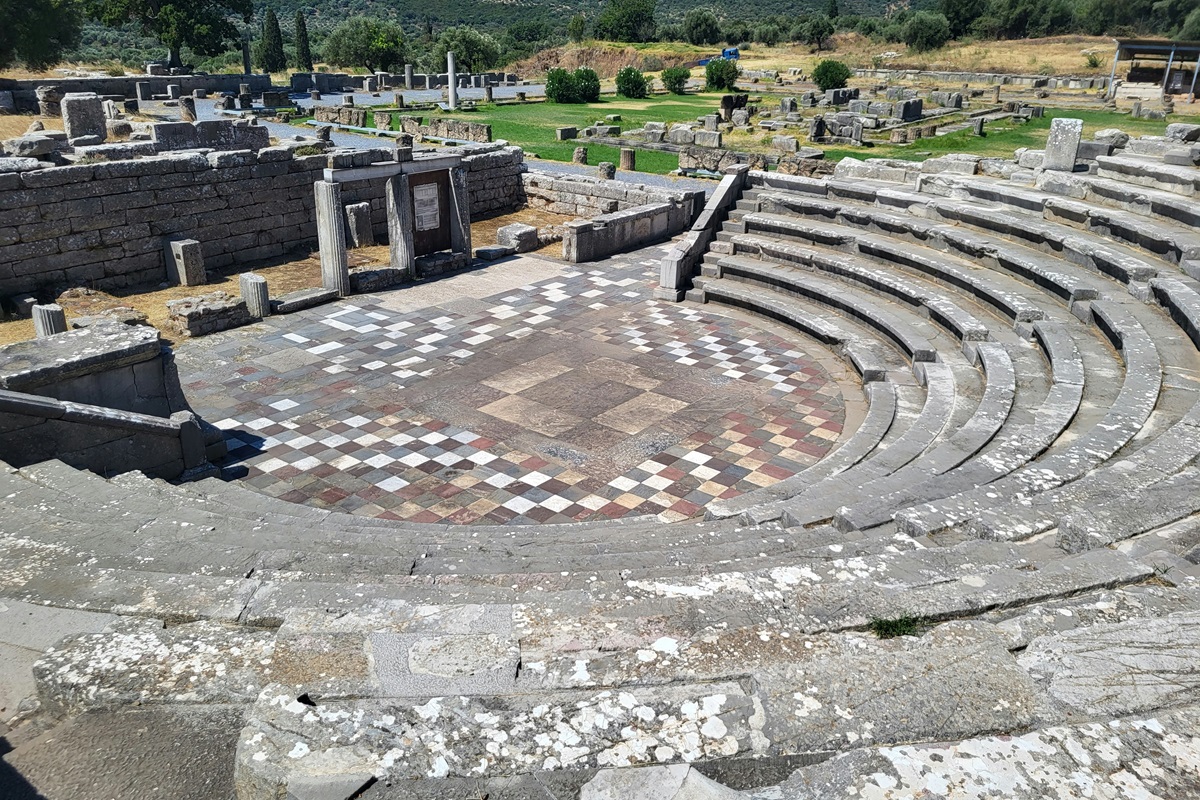
Sure, Greek literature shapes ideas, but it also influences how we express them. The words “epic,” “tragedy,” and “comedy” come directly from the Greek stage. So do rhetorical techniques that are still taught in public speaking and communication courses. Aristotle’s Poetics remains a handbook for writers and critics. By studying Greek texts, students learn not only the historical origins of these terms but also how they continue to function in modern art, media, and politics. The language of influence runs straight from the amphitheater of Athens to the digital platforms of today.
Human Nature Through Ancient Eyes
Perhaps the most compelling reason Greek literature remains central is its honest depiction of human nature. Sophocles’ Antigone raises questions about loyalty to the state versus loyalty to family. Homer’s epics explore the cost of war and the fragility of pride. These dilemmas are not locked in the past. Contemporary readers recognize themselves in these struggles. When students reflect on Achilles’ anger or Odysseus’ resilience, they are not just reading about mythological figures but confronting emotions and decisions that still shape human experience. In this sense, Greek literature acts as a mirror across time.
The Relevance in Modern Education
Critics sometimes argue that curricula should move away from ancient texts and focus entirely on contemporary issues. Yet this overlooks the fact that ancient Greek literature provides the very tools to analyze current events. Political theory, law, and psychology all trace aspects of their discourse to these writings. In classrooms, Greek tragedies are used to discuss trauma and healing. Philosophy courses lean on Plato’s dialogues to dissect concepts of justice and truth. Literature students analyze recurring archetypes in novels, films, and video games that can be traced back to Homeric storytelling. Greek texts, therefore, enrich discussions across disciplines, making them central rather than peripheral to modern education.
Lessons in Critical Thinking
Beyond cultural heritage, Greek literature teaches critical thinking. The Socratic method, which involves questioning assumptions and exposing contradictions, is rooted in dialogue. Reading Plato or Aristotle forces students to analyze arguments carefully, weigh evidence, and construct counterarguments. These skills are transferable across professions. Whether you are in law, science, or business, the ability to dissect an idea with precision is invaluable. Students who engage deeply with these texts sharpen their reasoning in ways that extend far beyond the classroom.
A Bridge Between the Arts and Sciences
One of the overlooked strengths of Greek literature is its role as a bridge. The Greeks did not separate literature, philosophy, and science as we often do. Their stories wove together myth, observation, and speculation. For instance, Hesiod’s Works and Days contains both moral advice and practical knowledge about agriculture. This holistic approach encourages modern readers to think across boundaries. Engineers, doctors, and artists alike can find value in reading these texts, as they illuminate how integrated thinking can solve complex problems.
The Emotional Power of Performance
Greek literature was written not to be read; it was performed. The tragedies and comedies staged in Athens were communal experiences, drawing entire populations into conversations about justice, suffering, and joy. Today’s students can explore how performance shaped civic identity and how art remains a form of public dialogue. Watching or reenacting a Greek play in a classroom setting reminds students that literature is not passive. It calls for participation, empathy, and reflection. This lesson resonates with modern media, where stories still create shared spaces for dialogue.
Why It Still Resonates
In the 21st century, where technology dominates, one might expect the classics to fade. Instead, Greek literature persists because it connects the ancient to the modern. When students discuss democracy, they are echoing debates from Athens. When they analyze a tragic hero, they revisit the same emotional terrain Sophocles mapped. Even contemporary pop culture draws on Greek myths: superhero films borrow archetypes, and fantasy novels mirror epic journeys. The persistence of these motifs proves their enduring relevance.
Challenges and Rewards
Admittedly, Greek literature is not always easy. The language, cultural context, and style can feel distant. Translations help, but students may still feel discouraged. That is why educators encourage not only close reading but also interpretation, comparison, and adaptation. The struggle itself is part of the reward, mirroring the challenges faced by Greek heroes. Persevering through complex texts develops patience and resilience, qualities essential in both academic and professional life.
Conclusion: Timeless Lessons in a Modern World
Studying ancient Greek literature is not about nostalgia. It is about grounding ourselves in narratives that shaped the foundations of modern thought. These texts challenge us to ask better questions, refine our reasoning, and confront timeless dilemmas. They remind us that literature is not a static record of the past but a living dialogue. In classrooms today, students continue to engage with Homer, Sophocles, and Plato not out of obligation but because their words still matter. In the end, the 21st century has not outgrown ancient Greek literature. If anything, it has grown into it.
