
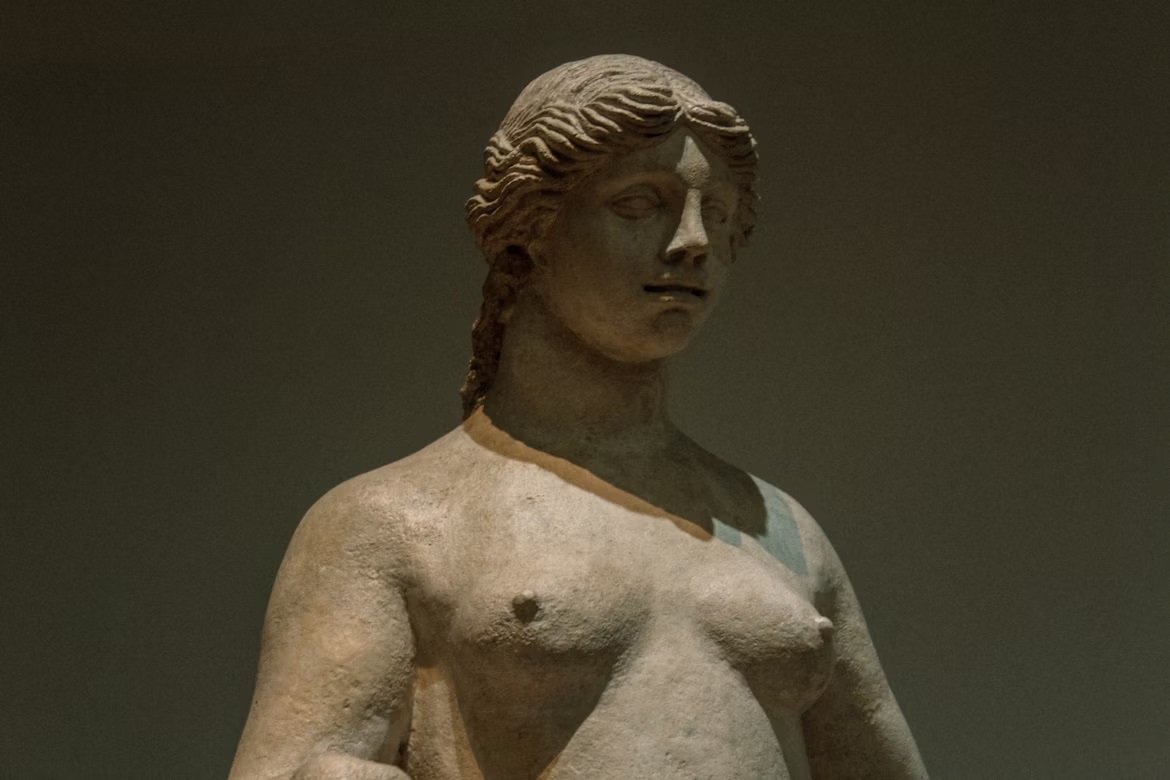
Life in ancient Athens was shaped by tradition, philosophy, politics, and labor. Far from monolithic, the Athenian lifestyle varied significantly depending on gender, class, and age. While male citizens engaged in public affairs and intellectual debates, women managed households and participated in select religious duties. Their society revolved around civic involvement, family roles, and seasonal rhythms.
The Public Sphere and Social Life
For men, daily life in ancient Athens often began with routine personal care followed by a walk to the agora, the bustling marketplace and heart of civic life. Here, an Athenian citizen might trade goods, share political opinions, or attend philosophical dialogues. It was common for them to gather in groups, discussing governance and local matters in spirited conversations.
Politics and theater also played a large role. Many men participated in juries or debated in the Assembly, while others spent time watching plays that reflected societal values. These theatrical performances were more than entertainment—they were reflections on ethics, leadership, and divine will.
Men’s leisure activities included strategic games like checkers, dice, and marbles, as well as athletic competitions. These contests were taken seriously, and physical training was viewed as both preparation for war and a symbol of personal virtue.
For students and young men preparing for careers in law, politics, or education, rhetorical training was essential. Public discourse was a respected skill, and those interested in intellectual development often sought instructors or mentors. Some of those scholars may have appreciated support similar to what modern students might find through services like essay hub, especially when preparing formal arguments.
Daily Labor and Agriculture
While philosophy and politics shaped the urban elite, most citizens lived outside the city and worked on farms. Farming aligned with the seasons, and agricultural routines dominated the lifestyle of Athens during much of the year.
Here’s a seasonal breakdown of Athenian farming life:
| Season | Activity |
| September | Grape harvesting and winemaking |
| October | Grain sowing and olive collection |
| Spring | Grain harvesting and threshing |
| Year-round | Market trading, livestock care |
Farming was labor-intensive. Grapes were stomped for wine, while olives were handpicked or knocked down with sticks before being pressed for oil. Olive oil held enormous value in Athens—used in cooking, religious rituals, and even athletics.
Grain, harvested using sickles and processed with mules and wind, was central to Athenian meals. Bread and porridge formed the base of the diet, supplemented by fish, vegetables, cheese, and fruit. Meat was rare and considered a luxury.
Women’s Responsibilities and Domestic Life
Athenian women had sharply defined roles focused on home management and family. They spent most of their time indoors, spinning, weaving, cooking, and caring for children. In well-off households, women oversaw slaves and organized household duties, though they had virtually no public presence.
Respectable women rarely left the home unless attending religious festivals or visiting temples as priestesses. Some did go to markets or fetch water, but these excursions were brief and limited.
Young girls did not attend formal schools. Instead, their mothers taught them the skills necessary for running a home, such as textile work and basic cooking. Marriage often came early—usually to much older men.
Childhood and Learning
What was daily life like in Athens for children? Boys typically played physical games such as wrestling, racing, and a hockey-like stick-and-ball game. Girls, by contrast, were discouraged from athletic participation. Both boys and girls played with toys made of clay: chariots, dolls, and rattles were common.
By the age of six or seven, boys began formal education. Initial instruction came from private tutors or family members, with wealthier children escorted by slaves to school. They wrote using a stylus on wax tablets, practiced arithmetic, and memorized epic poetry such as Homer’s Iliad.
As they matured, boys learned to play the lyre, study rhetoric, and receive physical training. By fourteen, many attended higher schooling, eventually entering military service at age eighteen. Education was a serious commitment, forming the basis of citizenship and public responsibility.
Religion and Civic Rituals
Religion was embedded in every part of Athenian life. The city honored gods like Athena, Zeus, and Apollo through festivals, sacrifices, and temple visits. Citizens frequently participated in public ceremonies, and priests or priestesses often came from elite families.
Each household maintained its own small shrine, offering daily prayers and burning incense. Larger events, like the Panathenaic Festival, were occasions for music, sport, and state pride. These festivals served to unify the population and reinforce shared cultural values.
The Structure of Society
Athenian life revolved around status and class. Free-born male citizens had full rights, including voting and property ownership. Metics—resident foreigners—could work and live in Athens but lacked full political rights. Slaves were considered property and performed much of the manual labor.
Social stratification was visible in every part of ancient Athens lifestyle. While male citizens discussed ideas and legislation, others labored or served in silence. Women’s confinement to domestic duties reflected the strict gender norms that defined ancient Athens.
Entertainment and the Arts in Athenian Life
Art and performance were integral parts of Athenian lifestyle, reflecting both civic pride and philosophical exploration. Theaters in Athens could seat thousands and hosted dramatic festivals such as the Dionysia, where playwrights like Sophocles, Euripides, and Aristophanes presented tragedies and comedies. These performances served not only to entertain but also to spark discussion about morality, leadership, and divine justice. Beyond drama, citizens also attended musical contests, poetry readings, and athletic exhibitions. Sculptures, pottery, and architecture displayed public values, often depicting scenes from mythology or historical triumphs. The arts were a mirror of the values and tensions within Athenian life, making creativity an essential part of public identity.
Summary: Athenian Life at a Glance
To wrap up, here’s a simplified overview of how daily routines broke down:
| Group | Main Activities |
| Adult Men | Politics, theater, farming, debate, military training |
| Adult Women | Domestic tasks, textile work, religious roles |
| Children (Boys) | Learning, games, sports, later military service |
| Children (Girls) | Home learning, domestic play, preparing for marriage |
| Farmers | Seasonal planting, olive and grape processing |
| Wealthy Citizens | Schooling, political service, education, rhetoric |
| Slaves | Household labor, farming, child supervision |
Final Thoughts
Life in ancient Athens was shaped by public service, traditional gender roles, and cultural pride. From political debates in the agora to religious offerings at the temple, every day carried a sense of purpose rooted in community, education, and duty. The city may no longer hum with the voices of Socrates or Pericles, but the structure of Athenian life continues to echo in our understanding of civic and intellectual development.
