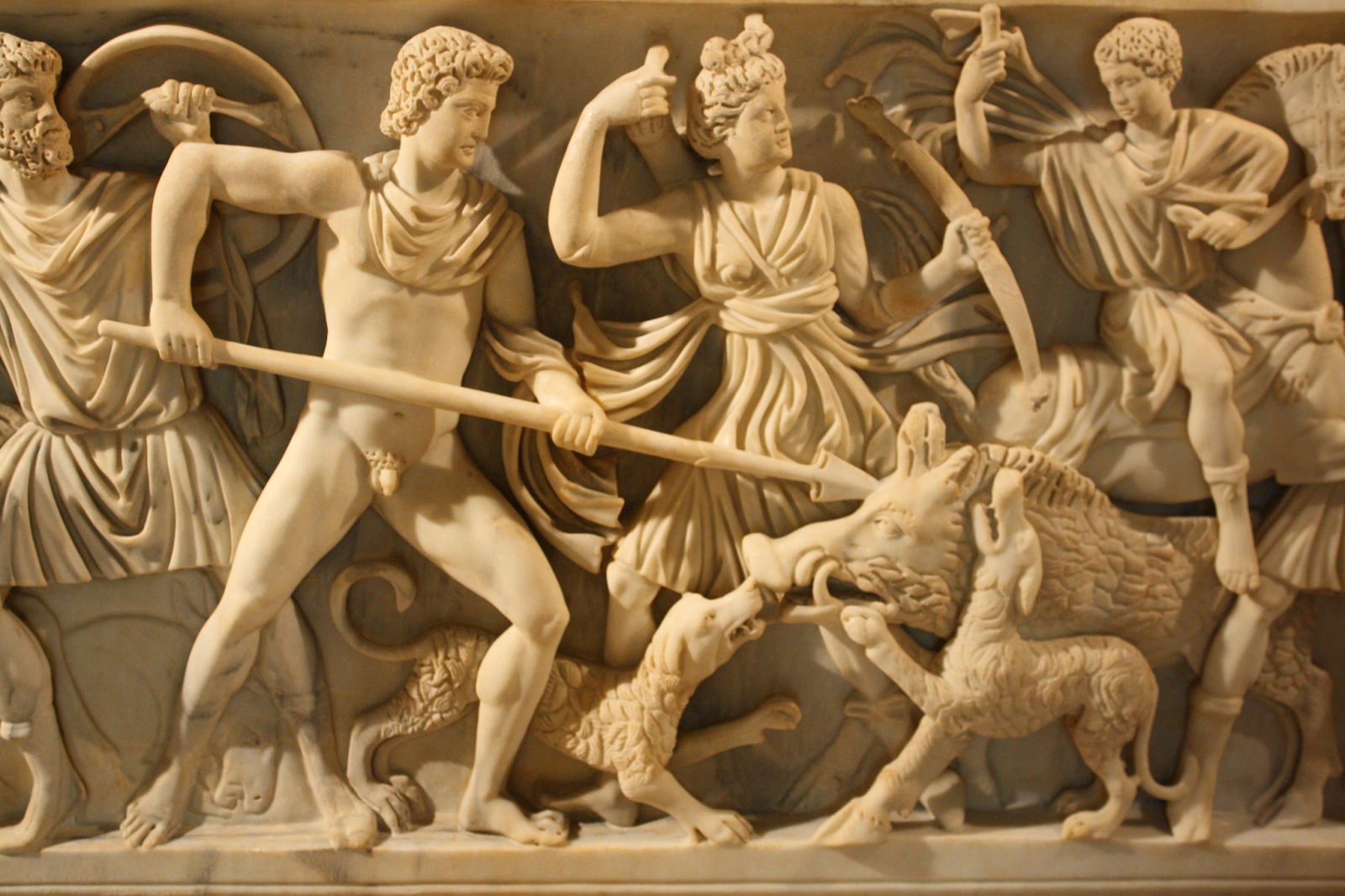
Myths have been a cornerstone of human culture for centuries, offering a window into ancient societies, their values, and their understanding of the world. For students and writers, analyzing these ancient myths can be both fascinating and enlightening. They not only provide a deeper understanding of history but also offer insights into the psychological, moral, and philosophical aspects of human nature. This guide will help students and writers approach the analysis of ancient myths in a systematic and insightful way.
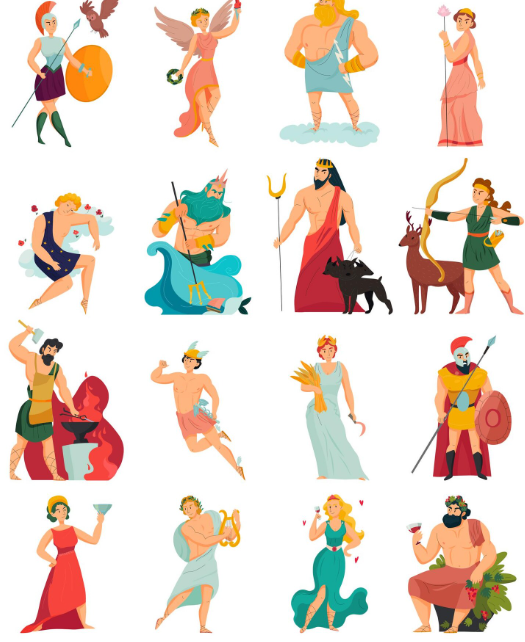
Image courtesy of Freepik
What Are Ancient Myths?
Ancient myths are traditional stories that explain natural phenomena, customs, and beliefs, often involving gods, heroes, and supernatural events. They served as a way for early societies to understand and explain the world around them. Myths are not just stories but symbolic narratives that reflect the values, fears, and desires of the people who created them. While each culture has its own unique set of myths, many share common themes, such as the creation of the world, the battle between good and evil, and the quest for immortality.
Why Analyze Ancient Myths?
Understanding myths is more than just learning about ancient cultures—it’s about gaining insight into the human experience. Ancient myths often explore timeless themes that still resonate today. By analyzing myths, students and writers can learn about universal themes such as morality, fate, identity, and the human relationship with nature. Myths can also provide a rich source of inspiration for writers, offering a deep well of ideas to draw from when creating their own stories or developing characters.
For students, analyzing ancient myths offers a chance to develop critical thinking skills. They learn to dissect the symbols, themes, and structures that make up these stories. They also get a better sense of the historical and cultural contexts in which these myths were created, which can lead to a more nuanced understanding of the human experience.
If you find yourself struggling with your own writing or analysis, it can be helpful to seek professional assistanc, studymoose essay writing service offers a range of academic writing resources to help students improve their understanding of literature and enhance their writing skills.
Key Steps in Analyzing Ancient Myths
When analyzing ancient myths, it’s important to follow a structured approach. The goal is to uncover the deeper meanings of the myth while also appreciating its narrative structure and historical context. Here’s a step-by-step guide to help students and writers with their analysis.
1. Read and Understand the Myth
Before you can analyze a myth, you need to fully understand it. Read the myth carefully, paying attention to the characters, plot, and setting. Take note of any symbolism or recurring motifs, as these often play a significant role in the myth’s meaning. If you’re not familiar with the myth, do some background research to understand the historical and cultural context in which it was created.
For example, if you’re analyzing the Greek myth of Persephone, understand the story of her abduction by Hades and her eventual return to her mother, Demeter. This myth explains the changing seasons and represents the cycle of life and death, the role of women, and the relationship between life on Earth and the afterlife.
2. Identify the Central Themes
Every myth contains a central theme or message. This could be an exploration of good versus evil, the quest for self-discovery, the consequences of hubris, or the relationship between mortals and gods. As you read through the myth, ask yourself: What is the central conflict? What lessons are being conveyed? What do the characters’ actions reveal about the culture that created the myth?
For instance, in the myth of the Trojan War, themes of love, betrayal, and the consequences of pride are explored. The myth provides insight into human emotions and the idea that the gods’ intervention in human affairs often leads to both heroism and tragedy.
3. Examine the Characters
The characters in myths are often larger-than-life figures, whether gods, heroes, or mythical creatures. Pay attention to their motivations, actions, and relationships with one another. Do they embody certain virtues or vices? Are they portrayed as moral exemplars or tragic figures? The interactions between characters often reveal the values and beliefs of the culture that created the myth.
Take, for example, the figure of Achilles in the Greek myth. He is portrayed as a hero of unmatched strength and courage, but his fatal flaw—his rage—leads to his downfall. This duality of heroism and vulnerability is a key part of the myth’s exploration of human nature.
4. Analyze the Symbolism
Myths are rich in symbolism. The gods, monsters, and settings often symbolize larger concepts such as chaos, order, or the struggle between life and death. Pay attention to recurring symbols throughout the myth. For example, the river Styx in Greek mythology symbolizes the boundary between life and death, and crossing it is a major event in many myths.
Similarly, in Norse mythology, the World Tree, Yggdrasil, is a symbol of the interconnectedness of all life and the cosmic order. Understanding these symbols can help you unlock deeper meanings in the myth.
5. Consider the Historical and Cultural Context
The context in which a myth was created is crucial for understanding its meaning. Myths were often told to explain natural phenomena, political events, or social norms. For example, many creation myths reflect a culture’s understanding of the cosmos and the role of humans within it.
By researching the historical and cultural context of a myth, you can gain a better understanding of its significance. For example, the Epic of Gilgamesh reflects the Sumerian civilization’s views on kingship, mortality, and the search for eternal life. Knowing this context enriches your analysis of the myth.
How Myths Can Inspire Modern Writing
For writers, analyzing ancient myths can provide a wealth of inspiration. Whether you’re writing a novel, a short story, or a screenplay, mythological themes can add depth and complexity to your work. Many modern stories, from fantasy novels to superhero films, draw heavily from ancient myths.
For instance, characters like Superman or Wonder Woman are based on the archetypes of gods and heroes found in ancient myths. Superman’s struggle with his identity and his sense of responsibility mirrors themes found in Greek mythology, while Wonder Woman’s journey reflects the hero’s quest archetype found in cultures around the world.
By studying these myths, you can create characters that resonate with readers on a deeper level. The themes of love, sacrifice, and heroism that are central to ancient myths are still relevant today, making them a powerful source of inspiration for modern storytellers.
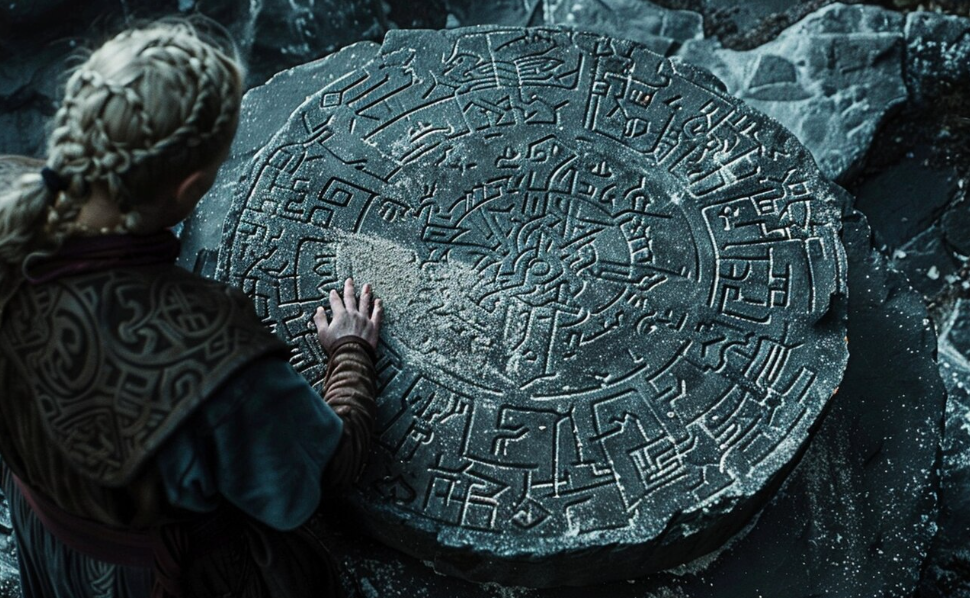
Image courtesy of Freepik
Conclusion
Analyzing ancient myths is a rewarding and intellectually stimulating activity for students and writers alike. By following a structured approach—reading the myth carefully, identifying its themes, examining the characters, analyzing the symbolism, and considering the historical context—you can gain a deeper understanding of these timeless stories. For writers, ancient myths offer a treasure trove of inspiration, providing insight into human nature and serving as a foundation for new creative works.
Incorporating elements from these ancient myths into your own work, whether for academic or creative purposes, can enrich your writing and provide a lasting connection to the cultural roots that have shaped human storytelling for millennia.
