
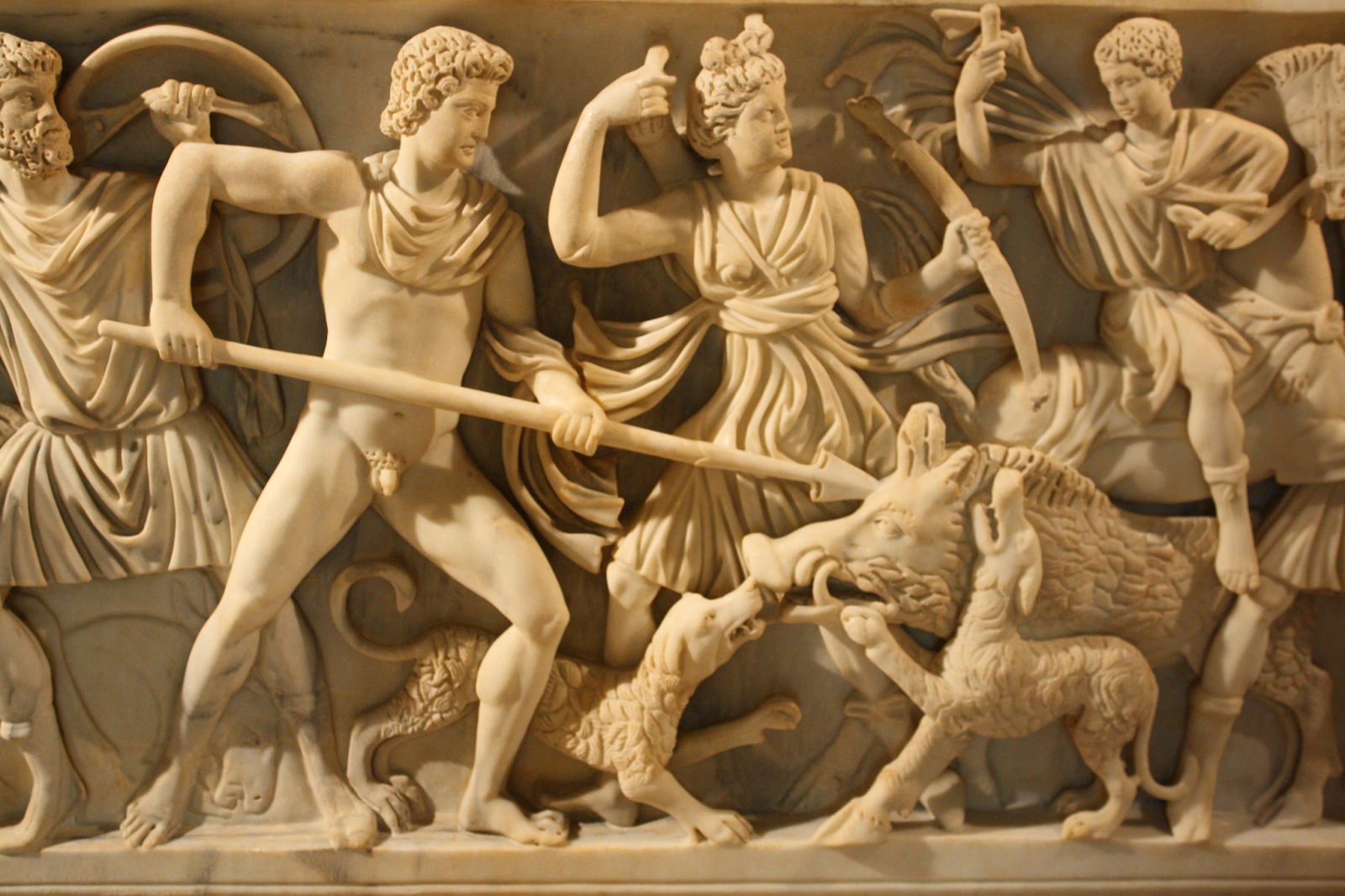
The link between Greek mythology and gaming might seem like a tenuous one to outsiders, but upon closer inspection, it is a match made in heaven, or the Elysian Fields, perhaps. Not only does Greek mythology consist of some of the most engaging and dramatic stories ever told, but the entire basis of it seems like a game itself.
The Gods, who were growing increasingly bored with the world following its emergence from chaos, decided to populate it with animals and humans. The Titan Prometheus was tasked with creating the first humans, whom he moulded out of clay.
Zeus and the other Greek Gods enjoyed watching the progress of the humans and reigning over them, but they were wary that one day, the humans might match their knowledge and attempt to overthrow them.
As such, Zeus prohibited the humans from having fire, but the cunning Prometheus went behind his back to steal fire from the Gods and give it to the humans, thus leading to their incredible development. To punish Prometheus, Zeus chained him to a rock and had an eagle eat his liver, which would regenerate each night, for eternity.
There, you have in short, an incredibly brief and simplistic summary of how the Greek Gods came to create humanity. You also have what sounds like the introduction to one of the greatest games of all time that combines the planning of The Sims, the action of Devil May Cry, and the drama of Red Dead Redemption.
It’s why Greek mythology is so prevalent in the world of video games, and even in the sphere of online slots, as shown by Casino.org, a site which compiles reviews of the best slot games on the internet – a huge percentage of which take their inspiration from Greek mythology. Their top recommendation at the moment is the Gates of Olympus Super Scatter slot, which features a celestial representation of Olympus in the background with Zues on one side.
Storytelling as Information Transfer
The first anatomically modern humans appeared on the planet around 300,000 years ago, whereas the act of writing is not thought to have emerged until around 3400-3100 BC. That means that for the majority of our time on this planet, we have, as a species, relied on the spoken word as a means for passing on knowledge.
The best and most effective way to pass on knowledge without the written word is through the form of stories. Engaging and entertaining stories, the likes of which are the basis for myths and legends, are the most effective at surviving for centuries and passing on generational information.
All over the world, for example, children throughout the millennia have heard variations of tales about the ‘Big, Bad Wolf’, as a way to teach them the dangers of going into the forest on their own.

(This isn’t a modern story; it has been told throughout the millennia to children all around the world.)
Difficult Concepts
Warning children about the dangers of wolves is one thing. Telling people about the dangers of pride and the importance of compassion is something else altogether, and as such, requires a different form of storytelling.
The Bible excels in the latter, with tales such as The Good Samaritan teaching generation after generation that kindness and compassion are universal and good characteristics that we should all strive for.
Whereas the Christian Bible sought to teach its readers about spiritual and philosophical theories through largely kind and compassionate stories, the Old Testament excluded Greek mythology, which sought to do the same thing, but through a different means altogether.
Excitement and Intrigue
Greek mythology sought to convey difficult concepts about spirituality by captivating its audience. The internal battle with negative emotions was explained by the opening of Pandora’s Box against the express wishes of the Gods.
King Midas was punished for his greed and avarice after being granted the ‘golden touch’, which turned everything he laid his hands on to gold. Then he was further punished for the same vices by being given the ears of a donkey.
For lying and cheating, Minos was punished by having his wife fall in love with a bull and give birth to a vile Minotaur creature. Even just a summary of these three stories shows the incredibly creative, shocking, and engaging nature of Greek mythology and will most likely send you off in search of other Greek tales.
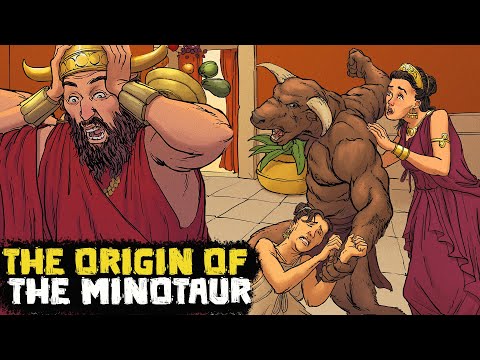
(The tale of the Minotaur is just one of many weird and wonderful stories told in Greek mythology.)
Gaming is Entertainment, and Greek Mythology is Entertainment
‘There is nothing new under the sun,’ so goes the famous saying, and that is certainly true of the world of entertainment. The greatest movies and TV shows that we all watch are merely reinventions of tales from the annals of time, but with a modern twist.
The same goes for the world of gaming. What makes Greek mythology so enchanting to gaming developers, though, is how it almost perfectly appeals to what modern gamers want. Jeopardy, intrigue, high-stakes drama, and incredible out-of-the-box tales are what most fans of gaming want, and it’s what Greek mythology offers in buckets.
