
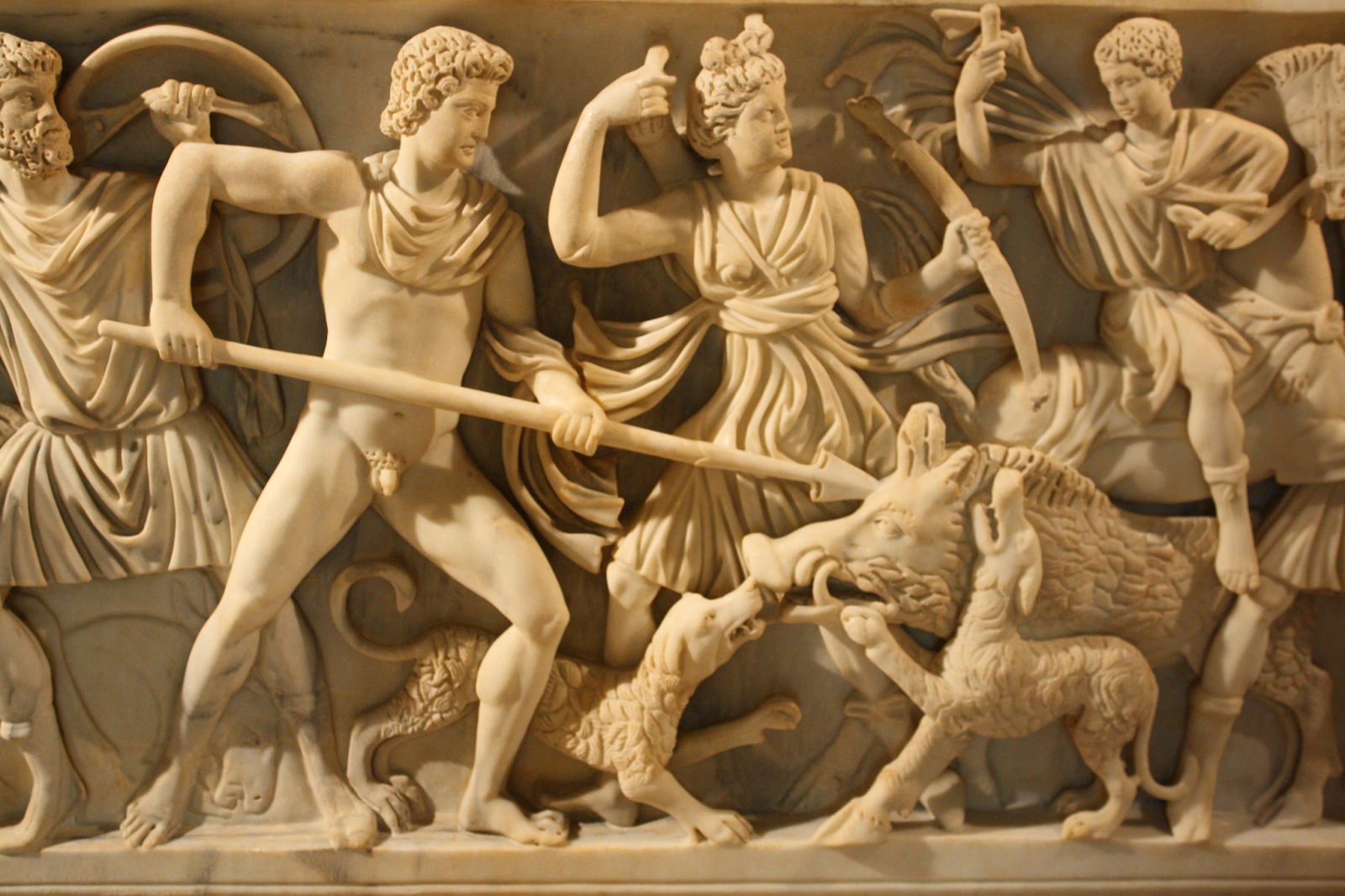
Greek mythology has found new life in the digital age, with modern PC games serving as powerful vessels for retelling ancient stories and exploring timeless themes. From action-packed adventures featuring gods and heroes to strategic empire-building games set in classical antiquity, the rich tapestry of Greek mythology continues to captivate players worldwide. This enduring fascination demonstrates how ancient narratives can be successfully adapted for contemporary audiences, creating immersive experiences that blend historical authenticity with creative interpretation. The gaming industry has embraced Greek mythology not merely as a source of inspiration, but as a foundational framework for exploring complex themes of power, sacrifice, family, and destiny.
The Timeless Appeal of Greek Mythology in Gaming
Greek mythology offers game developers a treasure trove of compelling characters, epic narratives, and fantastical elements that translate seamlessly into interactive entertainment. The pantheon of Greek gods, with their distinct personalities, powers, and interpersonal conflicts, provides ready-made character archetypes that players can easily understand and relate to. Zeus’s authority and lightning powers, Athena’s wisdom and strategic mind, Ares’s brutal warfare tactics, and Aphrodite’s manipulation through love and beauty create diverse gameplay possibilities that extend far beyond simple combat mechanics.
The heroic journey structure, deeply embedded in Greek mythology, aligns perfectly with game progression systems. Players naturally connect with protagonists like Kratos from God of War, who embodies the archetypal tragic hero struggling against fate and divine manipulation. These mythological frameworks provide emotional depth and narrative weight that elevate games beyond mere entertainment, creating experiences that resonate with universal human experiences of struggle, growth, and redemption.
Iconic PC Games Celebrating Greek Mythology
The God of War series stands as perhaps the most recognizable example of Greek mythology in modern gaming. Originally focused on Greek gods and heroes, the series has evolved to explore different mythological traditions while maintaining its core themes of divine conflict and mortal struggle. The games successfully blend visceral action with mythological storytelling, creating experiences that feel both epic and personal.
Age of Mythology brought Greek mythology to the real-time strategy genre, allowing players to command armies of mythological creatures while managing resources and building civilizations. The game’s approach to mythology was both respectful and creative, incorporating lesser-known mythological elements alongside famous gods and heroes. Players could summon cyclopes, train centaurs, and invoke divine powers, creating strategic gameplay that felt authentically mythological.
Assassin’s Creed Odyssey transported players to ancient Greece during the Peloponnesian War, weaving mythological elements into a historically grounded narrative. The game featured encounters with legendary figures like the Minotaur, Cyclops, and Medusa, while exploring themes of fate, free will, and the relationship between mortals and gods. This approach demonstrated how mythology could enhance rather than overshadow historical settings.
Modern Interpretations and Creative Adaptations
Contemporary PC games have taken increasingly creative approaches to Greek mythology, often subverting traditional narratives or exploring them from new perspectives. Hades, developed by Supergiant Games, reimagines the underworld as a family drama, with players controlling Zagreus, son of Hades, as he attempts to escape his father’s realm. The game’s approach to mythology is both reverent and innovative, presenting familiar gods as complex, flawed individuals dealing with family dysfunction and personal growth.
The Total War: Troy strategy game focused specifically on the Trojan War, combining historical elements with mythological storytelling. Players could choose to experience the campaign with varying levels of mythological content, from purely historical interpretations to fully fantastical versions featuring monsters and divine interventions. This flexibility demonstrated how modern games can cater to different player preferences while maintaining mythological authenticity.
Indie developers have also embraced Greek mythology, creating unique interpretations that might not be possible in larger, more commercial productions. These games often focus on specific mythological stories or explore themes that larger studios might overlook, contributing to a diverse ecosystem of mythologically-inspired gaming experiences.
The Role of Digital Platforms in Mythological Gaming
The digital distribution revolution has significantly impacted how players discover and experience mythology-themed games. Online platforms and specialized gaming websites have made it easier than ever for players to find games that align with their interests in ancient cultures and mythological narratives. Whether browsing through major digital storefronts or exploring recommendations on a dedicated pc games site, players can easily discover both blockbuster titles and hidden gems that explore Greek mythology from various perspectives, ensuring that these ancient stories continue to find new audiences in the digital age.
Educational Value and Cultural Preservation
Greek mythology-themed PC games serve an important educational function, introducing players to ancient stories, cultural concepts, and historical contexts in engaging, interactive ways. Many players first encounter mythological figures through gaming, sparking interest in classical literature, ancient history, and comparative mythology. Games like Apotheon, which uses ancient Greek pottery art styles, provide visual education about historical artistic techniques while telling mythological stories.
The interactive nature of gaming allows for deeper exploration of mythological themes than passive media consumption. Players make choices that reflect mythological dilemmas, experience consequences that mirror ancient moral lessons, and engage with complex characters in ways that promote understanding of ancient values and beliefs. This interactive engagement helps preserve and transmit cultural knowledge to new generations.
Technical Innovation and Mythological Storytelling
Modern PC gaming technology has enabled increasingly sophisticated representations of Greek mythology. Advanced graphics engines can render magnificent divine realms, epic battles between gods and titans, and fantastical creatures with unprecedented detail and realism. Motion capture technology allows for nuanced character performances that bring mythological figures to life with emotional depth and complexity.
Procedural generation techniques have enabled games to create vast, explorable versions of mythological worlds. Players can wander through digitally recreated ancient Greece, explore the underworld’s various regions, or ascend to Mount Olympus, experiencing these mythological spaces as interactive environments rather than static backdrops.
Future Directions and Emerging Trends
The future of Greek mythology in PC gaming looks increasingly promising, with emerging technologies like virtual reality and augmented reality offering new possibilities for mythological storytelling. VR experiences could allow players to stand before the gods themselves, witness epic battles between titans, or explore the labyrinth of the Minotaur with unprecedented immersion.
Artificial intelligence and machine learning technologies might enable more dynamic mythological narratives, where player choices create unique story variations that still maintain mythological authenticity. These technologies could generate personalized mythological experiences while preserving the essential elements that make these stories timeless.
Conclusion
Greek mythology’s presence in modern PC gaming represents more than mere entertainment; it demonstrates the enduring power of ancient stories to inspire, educate, and connect with contemporary audiences. Through innovative game design, creative storytelling, and technological advancement, developers have successfully translated timeless mythological themes into interactive experiences that resonate with modern players. As gaming technology continues to evolve, Greek mythology will undoubtedly continue to provide rich source material for future generations of games, ensuring that these ancient stories remain vibrant and relevant in our digital age. The marriage of classical mythology and modern gaming technology creates unique cultural artifacts that honor the past while embracing the future, proving that some stories truly are eternal.
